0m+
Volunteers recruited to Our Future Health, the UK’s largest-ever health research programme

Mean more. Build more trust.
When someone chooses a provider, manages their health, considers treatment, joins a research programme or trusts an organisation with their care, every interaction needs to inform, reassure and create confidence.
Healthcare audiences are also many audiences at once: patients, professionals, members, carers, commissioners, partners and the public. Each brings different needs, motivations and levels of understanding.
At AgencyUK, we combine brand, communications, web and tech to help healthcare organisations communicate complex information clearly, build trust and turn understanding into action, so better communications lead to better outcomes.
0m+
Volunteers recruited to Our Future Health, the UK’s largest-ever health research programme
0%
Reduction in participant acquisition costs for IQVIA
0k
Active patients built into IQVIA’s global patient database
0%
Reduction in call-centre load following the first rollout of the Beacon Health digital screening platform
£0k
Saved in annual call-centre overheads for IQVIA
The stakes are higher in healthcare, and trust has to be earned. Audiences need to understand complex information, communications need to work within regulatory and ethical boundaries, and digital experiences need to be accessible. Claims need to be credible, and the decisions we’re asking people to make can have a meaningful impact on their lives.
That’s why our approach combines the creativity needed to get noticed with the clarity, evidence and empathy needed to be believed, so people understand the message, trust it and act on it.

Mean more through meaningful difference.
In healthcare, clarity creates confidence.
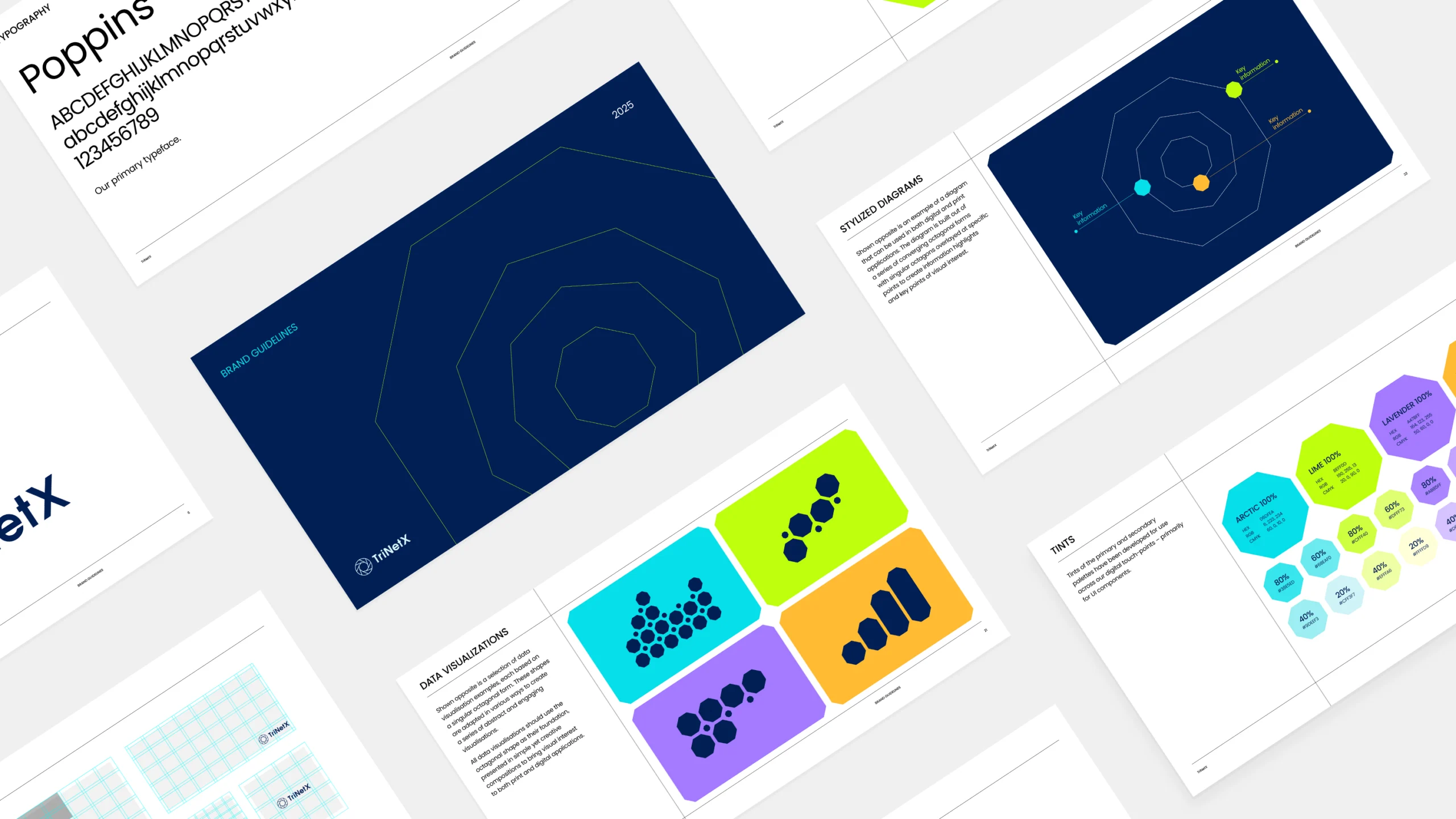
We help healthcare organisations define what makes them different and why it matters, turning complex services, expertise and propositions into distinctive brands that audiences can understand, trust and remember.
Across organisations, services, propositions and programmes, we create brand systems capable of working for different audiences, markets and healthcare environments.
Strategy
Positioning
Proposition
Identity
Architecture
Experience
Mean more to more people.
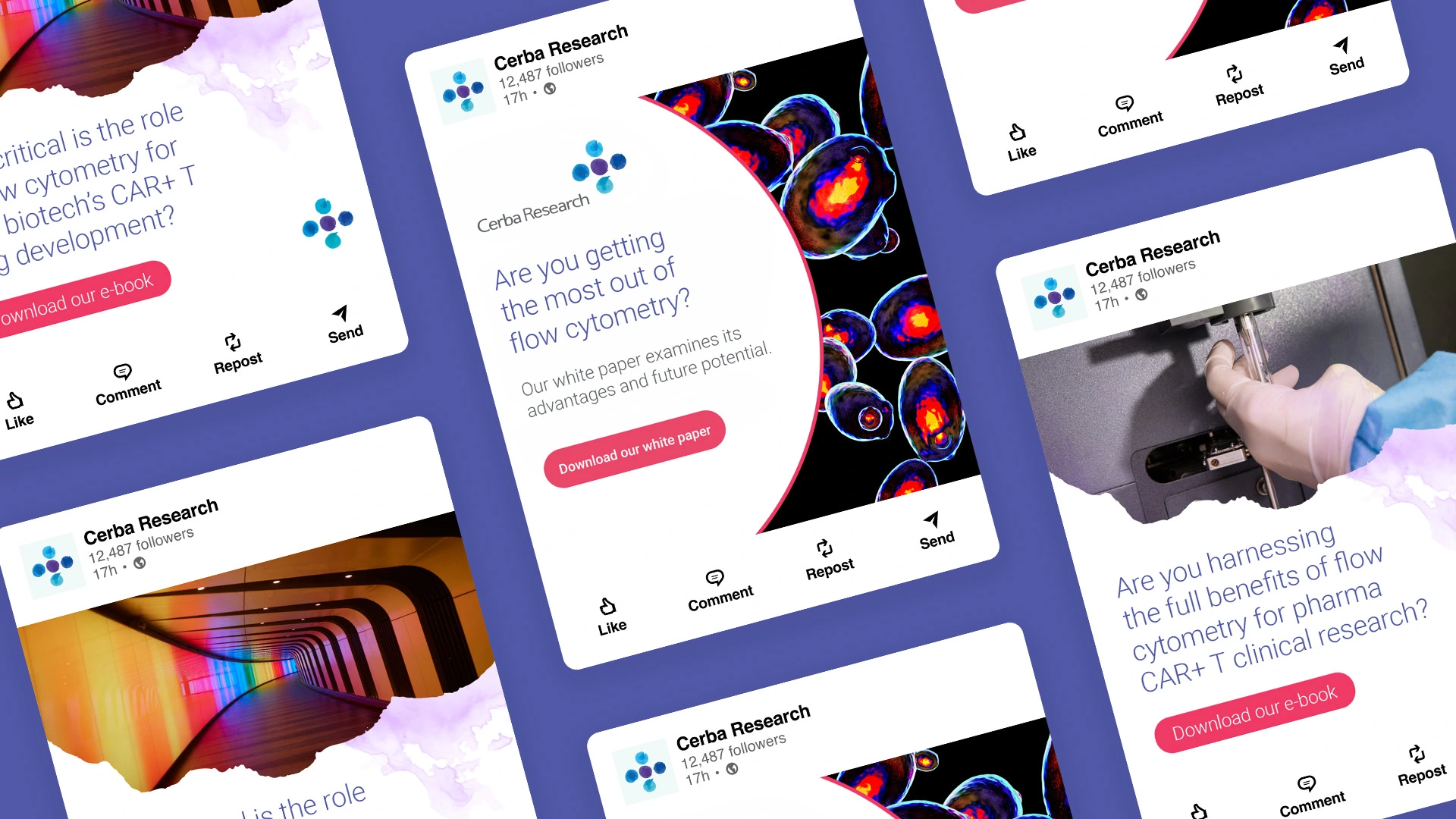
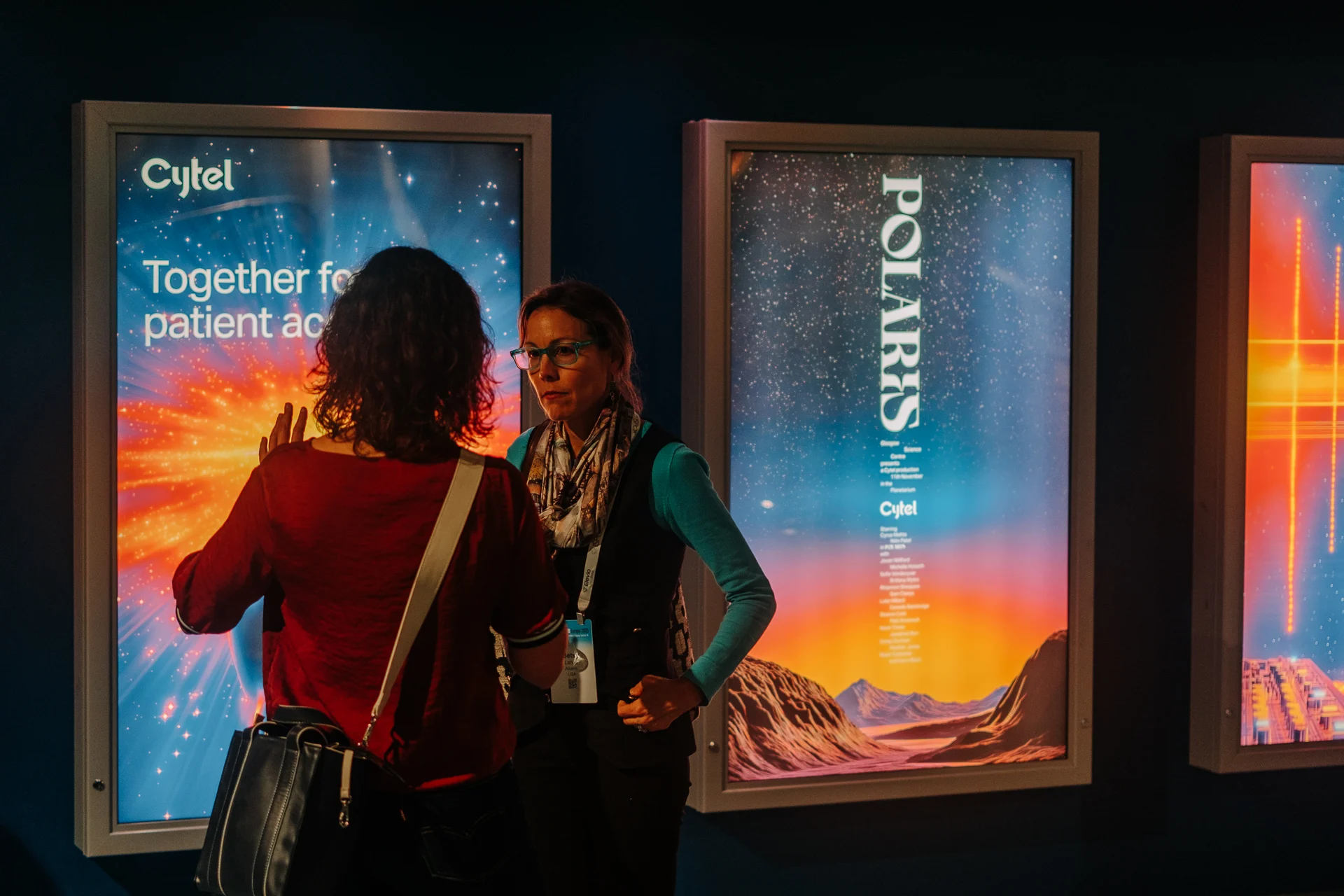
Healthcare communications need to attract attention and then inform, reassure and, often, change behaviour.
We combine audience intelligence, behavioural insight, creative and media to develop campaigns around what people need to know, feel and do next.
From national awareness programmes to precisely targeted patient acquisition, we plan, activate, measure and optimise around the outcome.
Campaign Planning
Creative
Media
Behaviour Change
Activation
CRM
Mean more through better experiences.
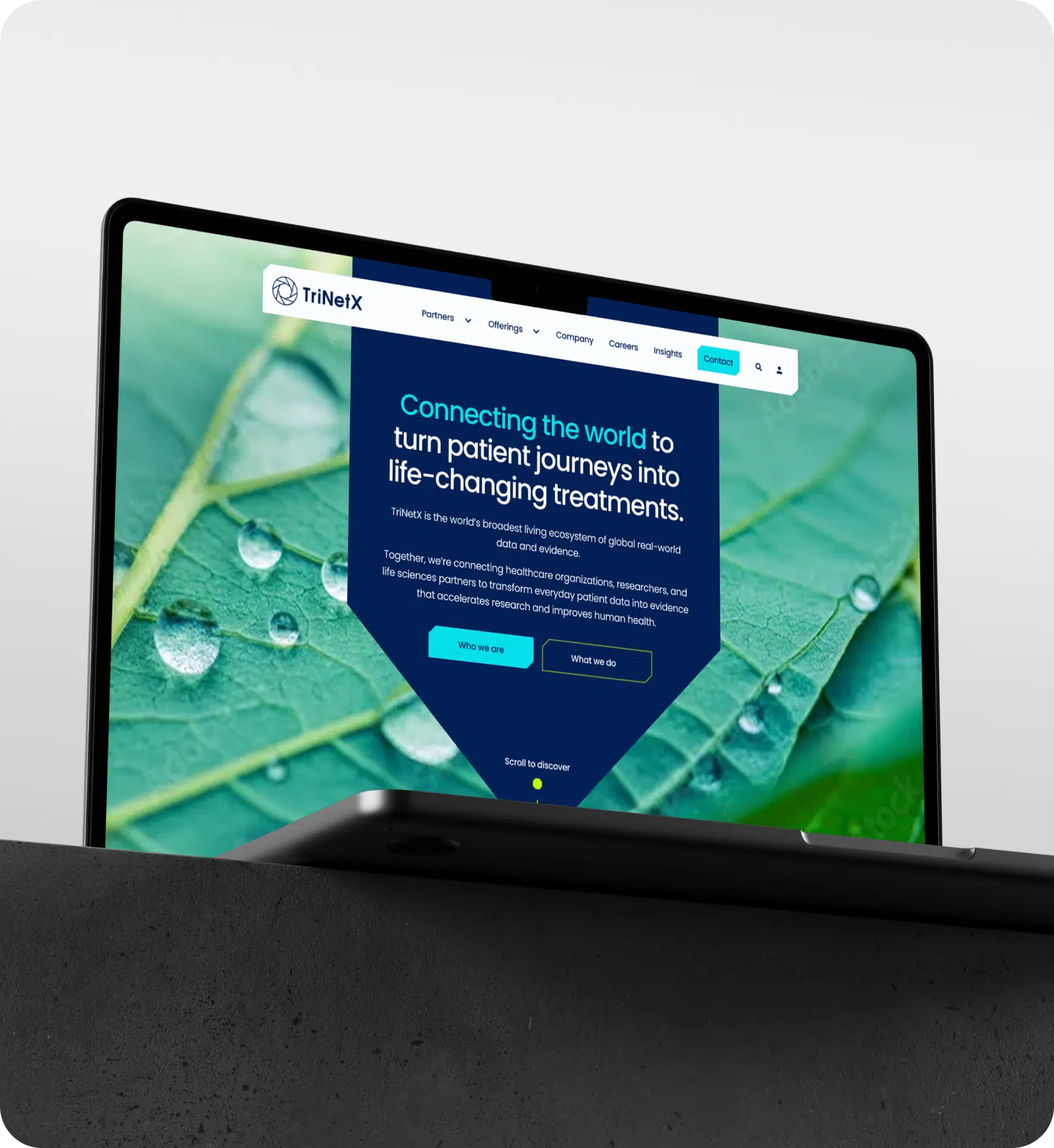
Healthcare websites often need to make difficult things feel simple.
We design and build accessible digital experiences around the needs of patients, professionals, members and other audiences, making information easier to find, understand and act on.
Across public-facing healthcare platforms, specialist services and membership organisations, we connect UX, content, SEO and technology to create faster, clearer journeys.
UX
Accessibility
Development
SEO
Content
Conversion
Mean more by learning faster.

Technology can make healthcare journeys faster and more useful, as long as it solves a real problem.
We use data, AI and automation to help organisations understand audiences, personalise experiences, accelerate information discovery and remove unnecessary friction.
Intelligent search, conversational experiences, automated journeys and integrated data platforms should all help people reach the right information, and the right action, faster.
AI
Data
Automation
Personalisation
Agents
Healthcare journeys can be long, complex and deeply personal. People move between search, social, websites, professionals, communities, campaigns and personal recommendations as they build the knowledge and confidence to act.
Every interaction is an opportunity to build trust. To patients, professionals and the public, strategy, communications and technology all add up to one organisation. We connect them so the reassurance created by a campaign continues into the website, the information is easy to understand and the journey towards action feels clear and consistent.
Search
Social
Content
Websites
Campaigns
Professionals
Membership
CRM
Digital Platforms
Patient Communications
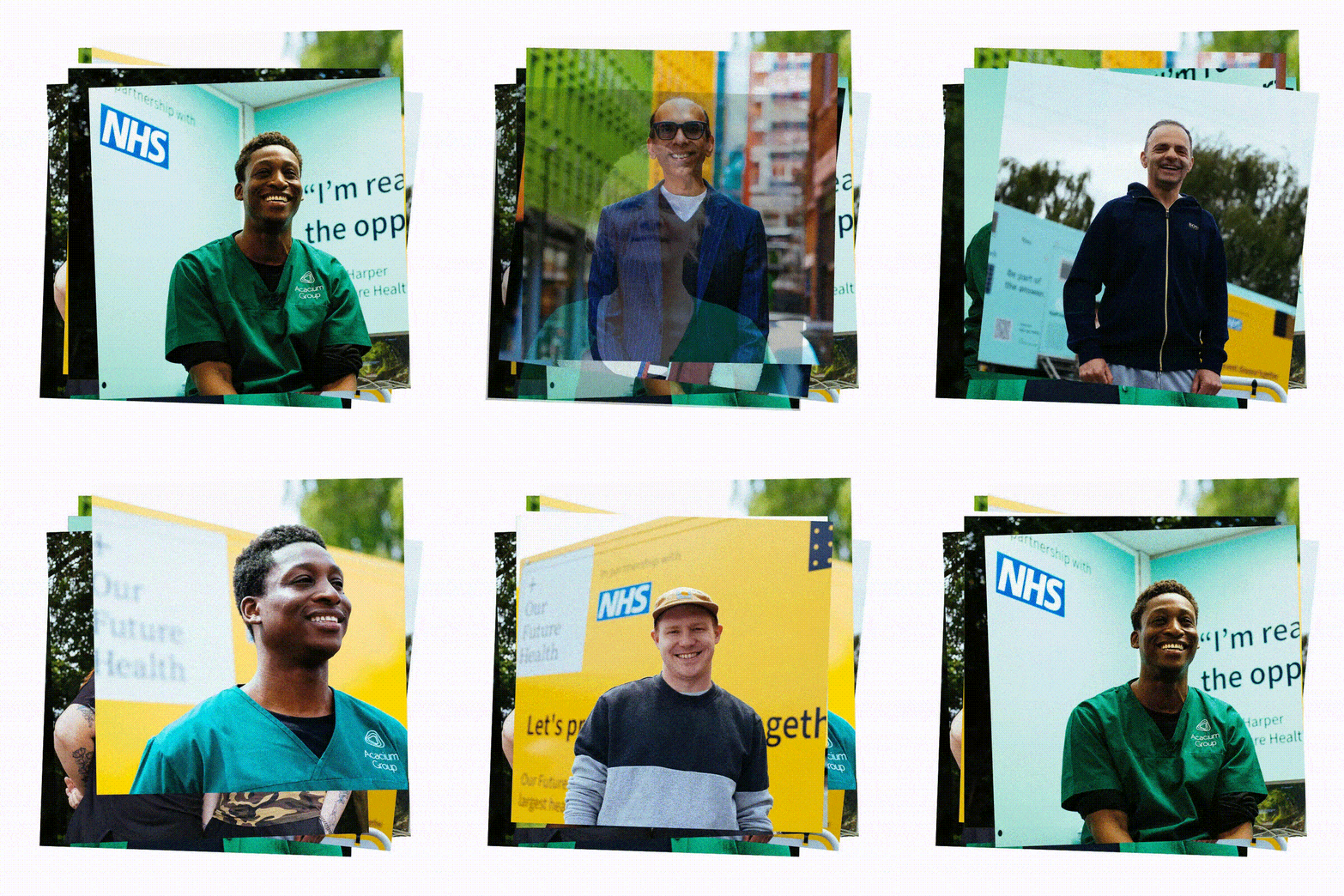
Some healthcare challenges aren’t solved by giving people more information.
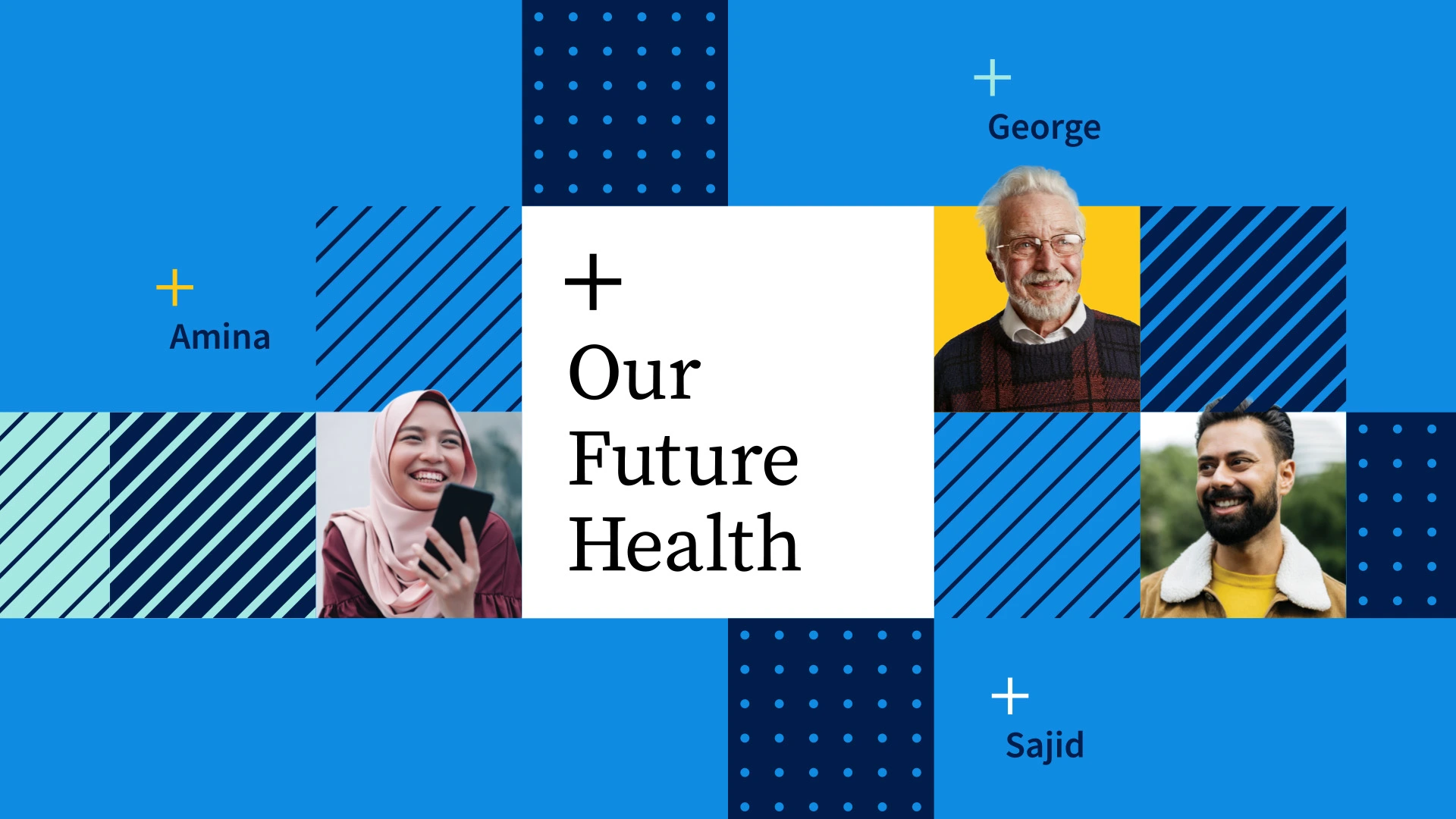
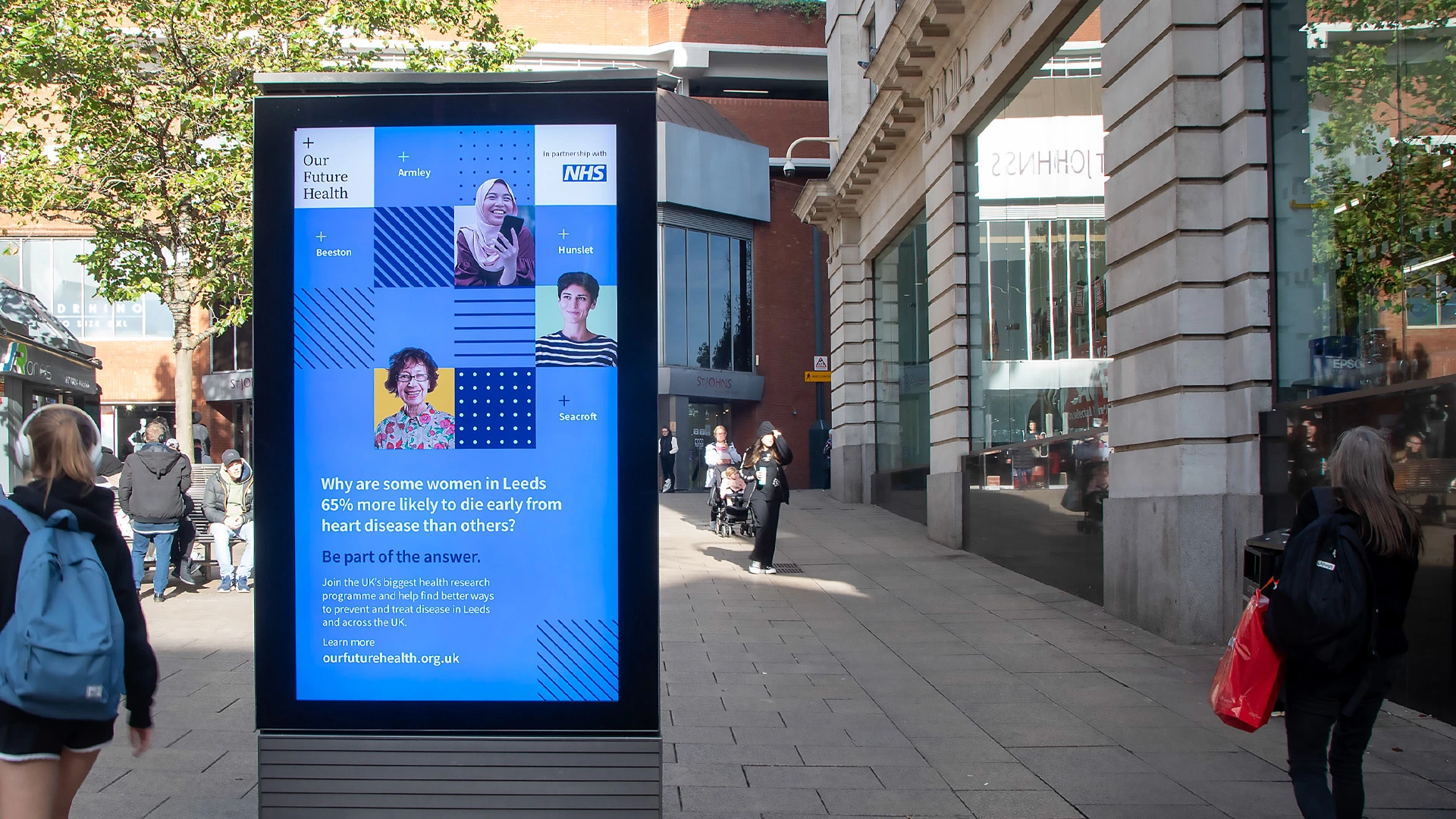
For Our Future Health, extensive research showed that historically under-recruited communities could have lower trust in healthcare institutions. We used behavioural science and the COM-B model to understand the capabilities, opportunities and motivations influencing participation, developing communications around the barriers preventing action.
This approach informed targeted creative and media designed around different communities, motivations and health concerns. The result was more than 2.4 million volunteers recruited to the programme.
Pete Wilson
Strategic Communications Lead, Our Future Health
Our healthcare experience spans public health, patient acquisition, medical membership, digital health, healthcare services, medical devices and health technology.
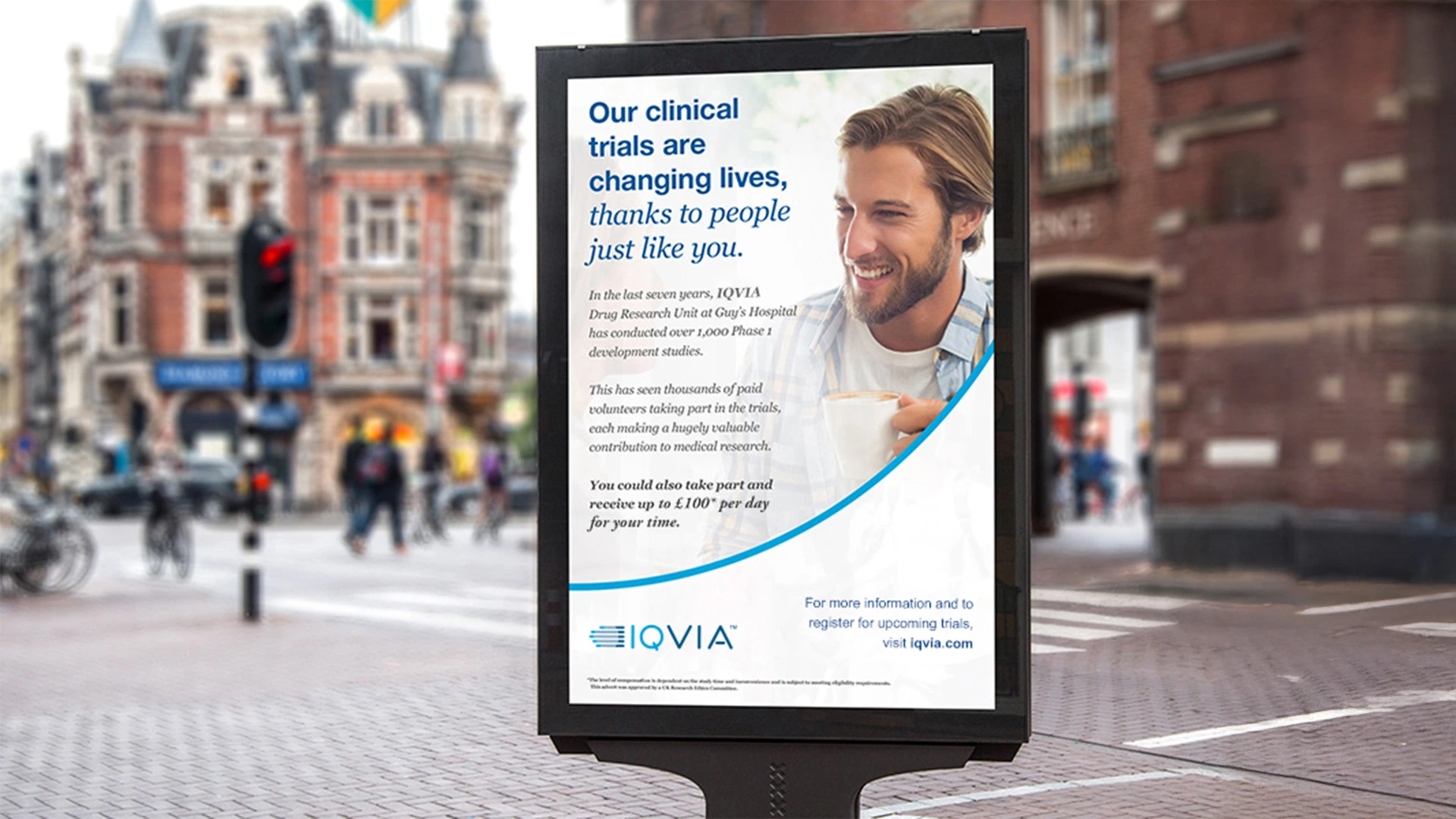
We’ve worked with organisations including Our Future Health, NHS, IQVIA, Institute of Osteopathy, Medical Defence Union, Beacon Health, Cupris, CN Bio, Westfield Health and MediGuard, alongside extensive experience across specialist healthcare and clinical research.
That experience goes back to 2008 and includes building large-scale patient acquisition programmes, digital healthcare platforms and national awareness campaigns, across both consumer-facing healthcare and hard-to-reach regulated B2B audiences.


Yes. Healthcare marketing needs to operate within clear regulatory and ethical boundaries, and we account for those requirements when developing strategy, creative and campaigns.
The rules depend on the audience, product and type of communication. For pharmaceutical marketing, that can include requirements under the ABPI Code, alongside wider UK healthcare advertising regulations and relevant advertising standards.
We build compliance considerations into the process rather than treating them as a final check. That means creating effective communications within the appropriate boundaries, working with your internal medical, legal and regulatory teams where required.
Yes. We work across consumer-facing healthcare and regulated B2B audiences, including HCP marketing aimed at healthcare professionals.
Patients, healthcare professionals and other stakeholders have different information needs, motivations and responsibilities. We use audience insight to understand those differences, then develop the appropriate proposition, messaging, content, channels and experience for each group.
Where a campaign needs to reach multiple healthcare audiences, we can connect the activity around a consistent strategy while adapting the communications appropriately. The objective is relevance without losing coherence, particularly when different audiences influence the same healthcare decision or outcome.
Effective behaviour change campaigns start by understanding why people behave as they do, what might motivate them to change and what gets in the way.
We combine audience insight with behavioural thinking to identify the interventions, messages and experiences most likely to make a difference. That might mean increasing understanding, changing perceptions, reducing friction or making a desired action easier to take.
In healthcare, sensitivity and trust matter as much as attention. We develop campaigns around the realities of the audience rather than assuming information alone will change behaviour, then use measurement to understand what is working.
Yes. Our healthcare experience includes work with the NHS as well as private healthcare organisations and brands including WPA and Westfield Health.
Different healthcare organisations bring different audiences, objectives, governance requirements and commercial contexts. We adapt our approach accordingly, whether the challenge involves public participation, patient communications, healthcare professionals, brand development or growth.
Across both public and private healthcare, the principle is the same: understand the audience, work within the relevant regulatory and ethical boundaries, and create communications and experiences that help people understand what matters and what they need to do next.
"*" indicates required fields