0%
Growth in online conversions for Connect Fibre
Mean more through better experiences.
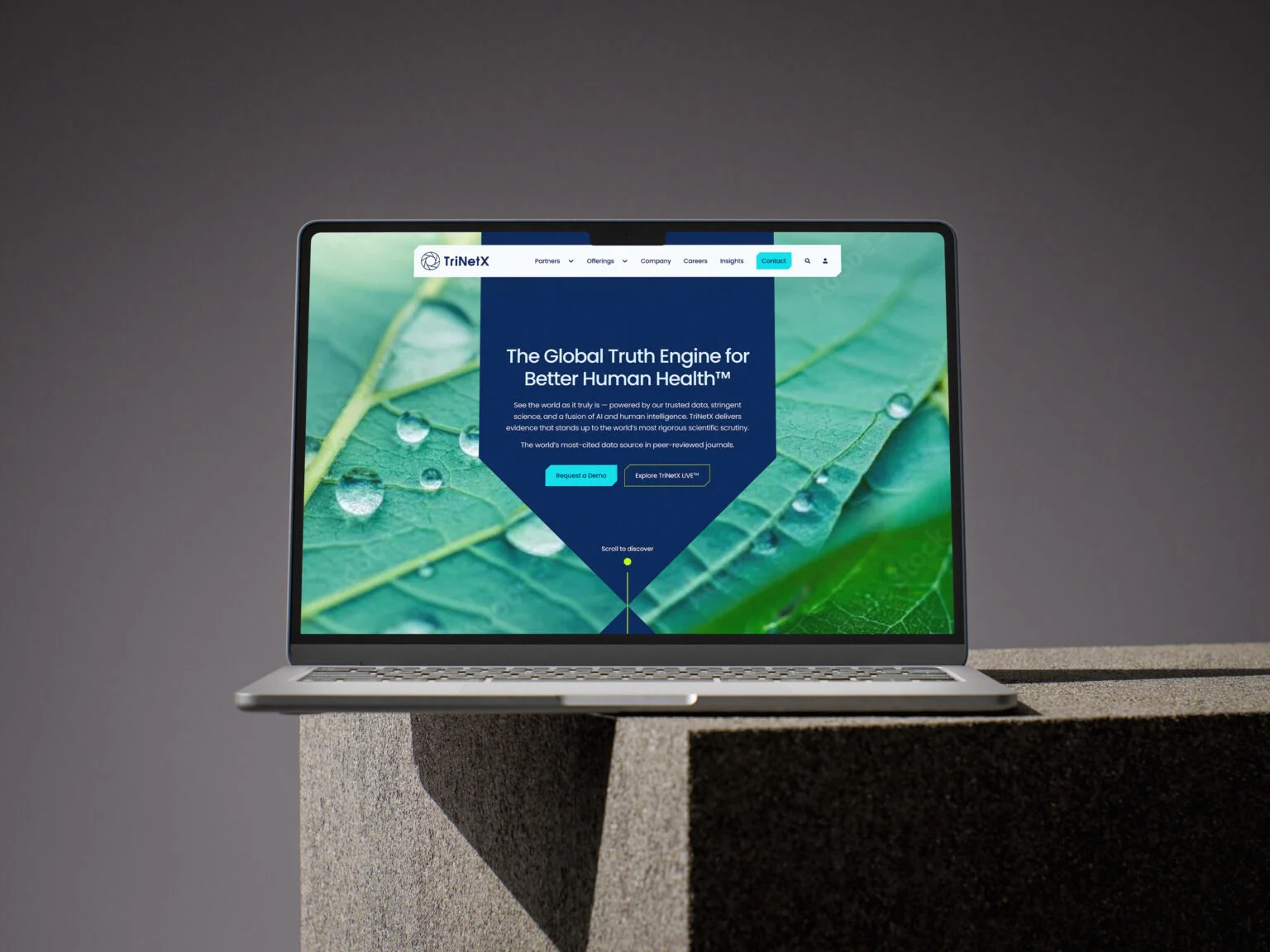
Great websites make complicated decisions feel simple. We combine audience intelligence, UX, UI and brand thinking to create digital experiences that are intuitive to use, distinctive to experience and designed to move people towards action.
Whether it’s a global corporate platform, an eCommerce site, a campaign site or a digital product, every design decision has a job to do.
0%
Growth in online conversions for Connect Fibre
0
New audiences introduced for QS (Quacquarelli Symonds)
0m
Monthly visitors for CheckMyFile
People form an opinion of your business within moments of arriving on your website, often before they’ve read a word.
A dated or confusing design makes even a strong organisation look less credible, and every extra moment spent searching for something is a moment someone might leave.
Good web design builds confidence from the first screen and helps people find what they came for quickly, so more visitors become customers.
Great UX starts before the design. We use audience insight, personas, search behaviour, analytics and existing site performance to understand what different users need, why they’re visiting and what they need to do next.
We then design user stories around each persona, simplify user journeys, remove friction and make information easier to find, understand and act on.
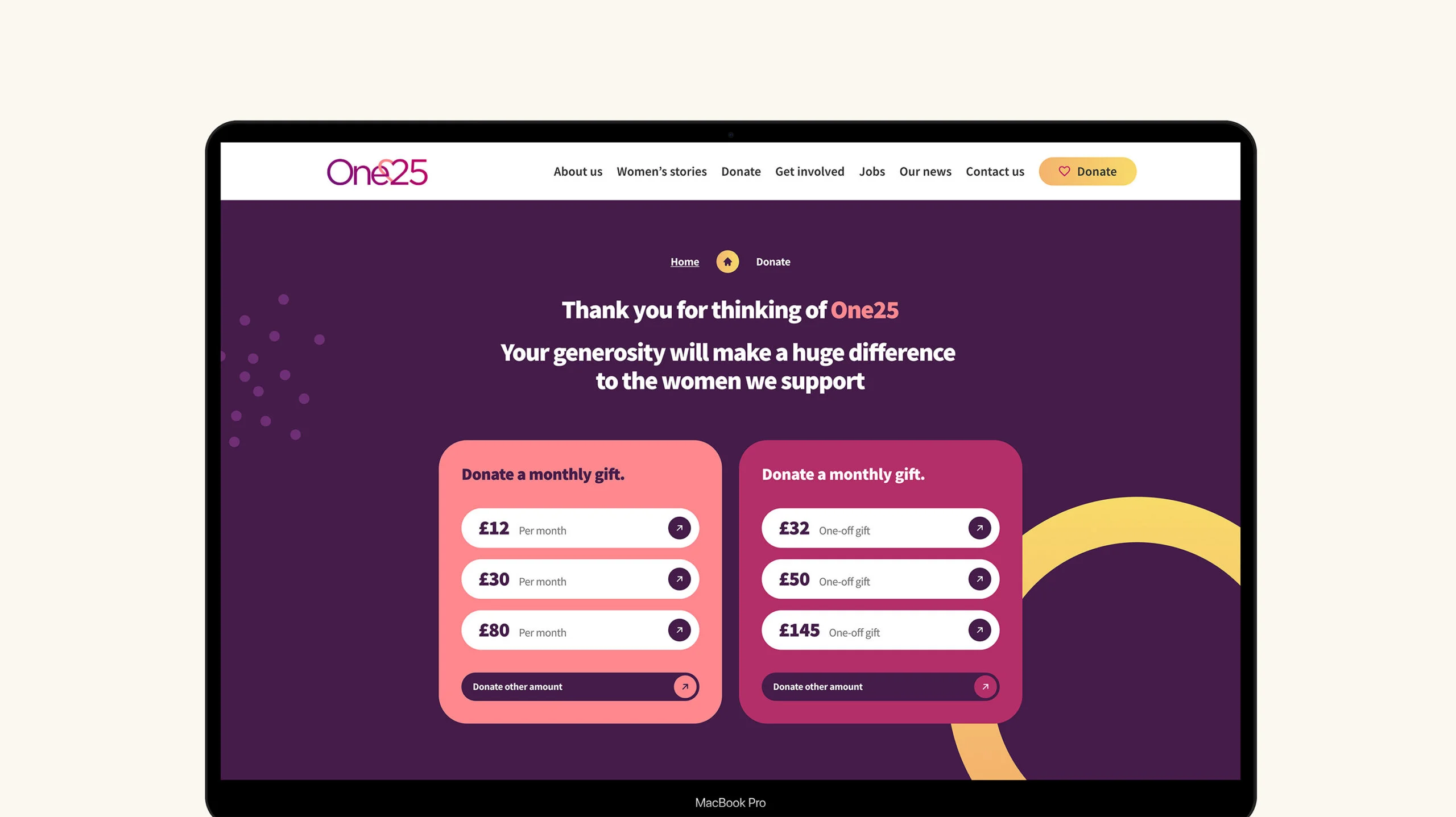
We design around the actions that matter, making it easier to enquire, buy, register, apply, download, donate or find information. Where appropriate, AI-powered chatbots provide an intelligent secondary navigation layer, helping users bypass complex journeys and get to the right content or action faster.
Using behavioural insight, clear messaging, hierarchy and calls to action, we remove friction and build confidence at every step.
We test propositions, journeys and design approaches before and after launch to understand what drives response, and to keep improving conversion.
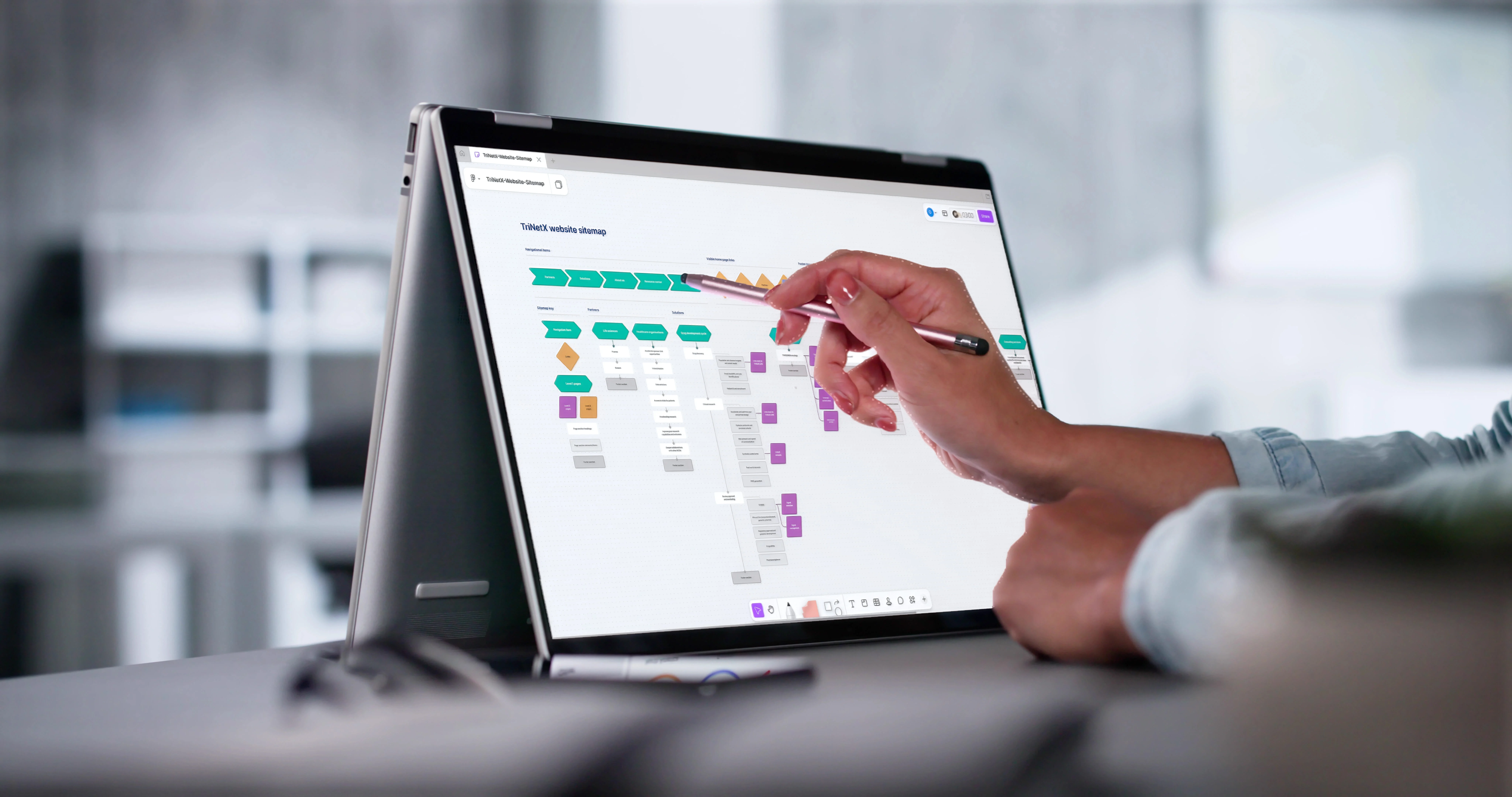
Prototypes allow us to experience the website before committing everything to development.
We use AI-assisted coding (vibe coding) to rapidly structure proofs of concept, alongside interactive designs that test journeys, interactions, responsive behaviours and key functionality, giving stakeholders and users something tangible to experience and respond to.
Feedback and testing help us identify issues earlier, refine the experience and give development a clearer, validated design system to build from.
AI is changing how websites are researched, designed, built, discovered and optimised. We use AI throughout our web process to accelerate audience and competitor research, interrogate search and behavioural data, support UX and content decisions, streamline development and identify opportunities to improve performance after launch.
We also design for an internet shaped by AI. We structure websites, content and data so brands can be understood, surfaced and recommended by search engines, large language models (LLMs) and answer platforms, as well as by the people using them.
Yes. A website redesign doesn’t have to mean changing your brand identity.
We can work within your existing brand, translating it into a digital design system covering typography, colour, imagery, components, interaction and the rules for how they work together, so your online experience is more consistent and effective.
If the existing identity creates limitations online, we’ll point them out and recommend what needs attention. The goal is to make your brand work better online, and change only what needs changing.
Yes. We use website prototypes to show how key pages, journeys and interactions will work before development begins.
Prototyping lets your team experience the proposed website, not just look at static designs. It also gives us the chance to test assumptions, gather feedback and spot usability issues before they reach development.
The level of prototyping depends on the project, but the principle is the same: it’s easier to make good decisions when you can see how the experience works, and changes are easier to make early.
Yes. Website accessibility is built into our design and development process, and we can design to WCAG 2.2 at the conformance level that’s right for your organisation and users.
That covers colour contrast, typography, navigation, keyboard use, forms, content structure and compatibility with assistive technologies.
Your requirements may also be shaped by legislation. If your organisation is affected by regulations such as the European Accessibility Act, we’ll set out the relevant requirements as part of the project scope.
Accessible design is good design. It helps more people use your website.
Conversion-focused website design starts by understanding what users need and what you need them to do next.
We use audience insight, user journeys, content hierarchy, calls to action and testing to reduce friction and make important actions easier to complete. After launch, performance data shows where the experience can improve further.
For Connect Fibre, that approach contributed to a 500% increase in conversion. Good design makes a website easier to use, and above all, easier to act on.
"*" indicates required fields