Smiling woman carrying a child on her shoulders at a festival

Campaign Planning

Mean more to more people.

Effective campaigns start
with what needs to change.

We connect commercial objectives, audience behaviour and communications strategy to define what a campaign needs to achieve before anyone starts on creative execution or media.

That means understanding the business problem, identifying the audiences that matter, working out what will move them and agreeing how success will be measured, so the whole campaign is built around the outcome.

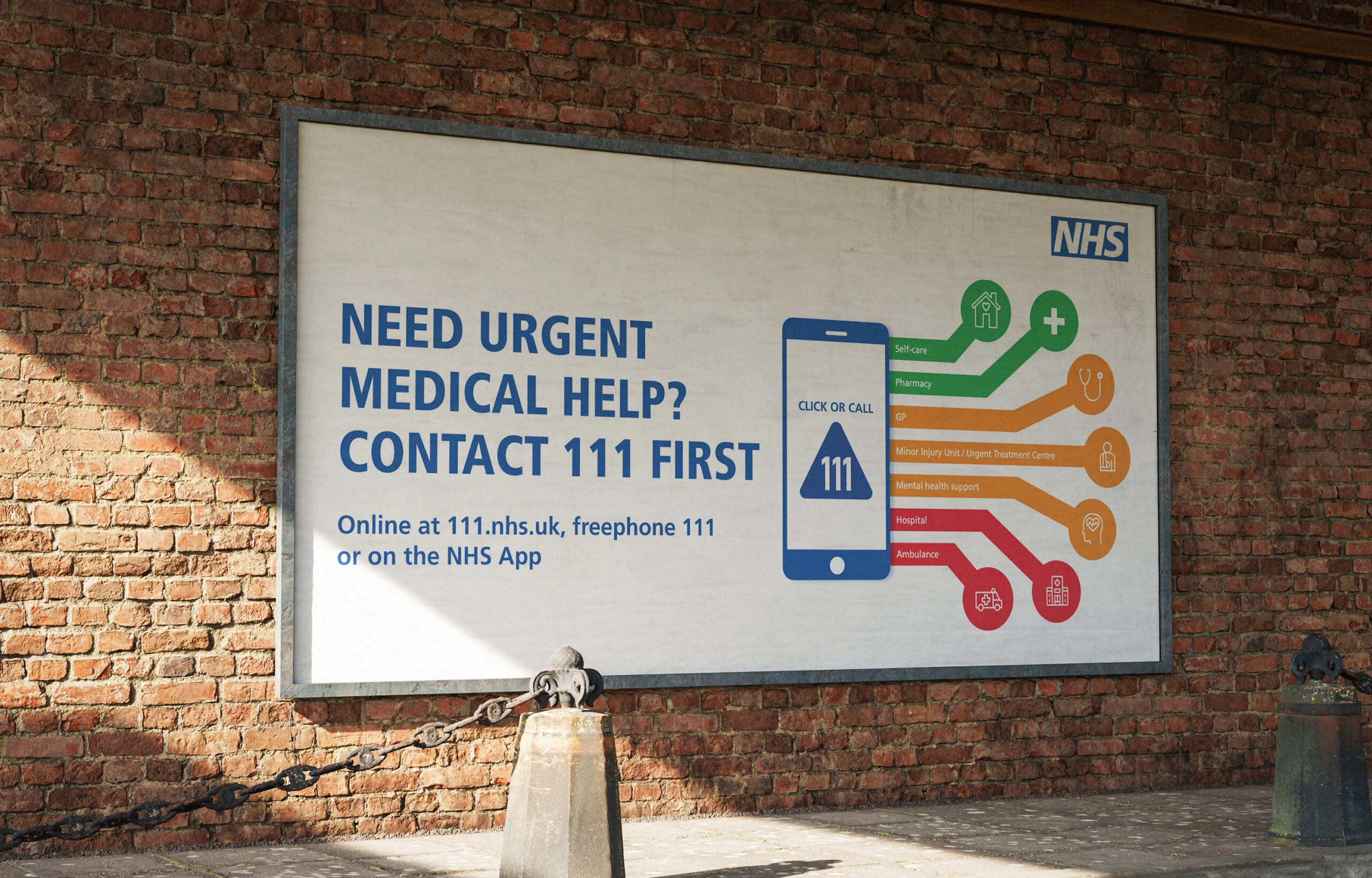
NHS 111 billboard: 'Need urgent medical help? Contact 111 first'

Why is campaign planning important for your business?

Every creative and media decision in a campaign is only as good as the thinking behind it.

Without that thinking, budget can end up reaching people who were never going to act, with messages that don’t address what holds them back, and there’s no reliable way to tell what the campaign achieved.

Campaign planning gives every campaign a clear target and a way to measure it, so your investment goes towards the outcomes that matter most and each campaign leaves you knowing more for the next.

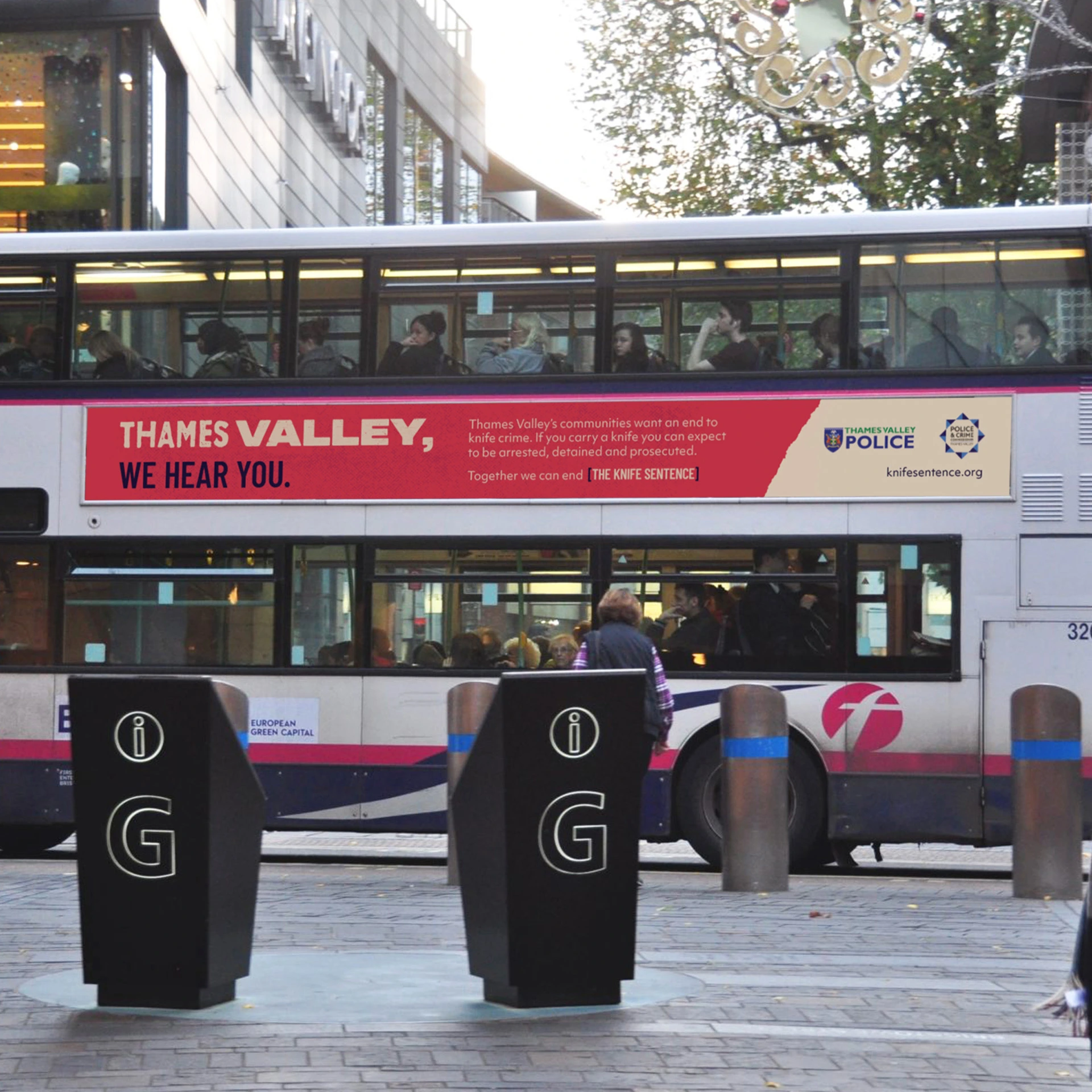
Thames Valley Police advert on the side of a bus

Put your budget where it works hardest.

Media Planning

We plan where, when and how to reach the audiences that matter, combining market intelligence, behavioural data and media expertise to find where investment will have the most effect.

As an independent agency, we have no media-owner commitments and no predetermined channel mix, so our recommendations follow your commercial objectives.

We plan where, when and how to reach the audiences that matter, combining market intelligence, behavioural data and media expertise to find where investment will have the most effect.
As an independent agency, we have no media-owner commitments and no predetermined channel mix, so our recommendations follow your commercial objectives.
Define what success looks like.

Family relaxing together on a sofa at home

Effectiveness Planning

We use the WARC / LIONS Creative Effectiveness Ladder to give our teams and yours a shared framework for defining what communications need to achieve. It draws on analysis of nearly 5,000 effectiveness case studies from around the world.

The framework identifies six levels of effectiveness, starting with immediate campaign response and rising to sustained brand and commercial growth.

01 Influential Idea

Create engagement, sharing and media efficiency.

02 Behaviour Breakthrough

Change the way people think, behave or buy.

03 Sales Spike

Drive short-term sales, market share or profitability.

04 Brand Builder

Build awareness, consideration, preference and purchase intent.

05 Commercial Triumph

Deliver sustained sales and market share growth beyond the campaign.

06 Enduring Icon

Build brand and commercial value consistently over the long term.

We use the Ladder at the start of planning to set the ambition, align stakeholders and define the metrics that matter.

When everyone knows what success looks like, the plan to achieve it gets stronger.

Know who matters.

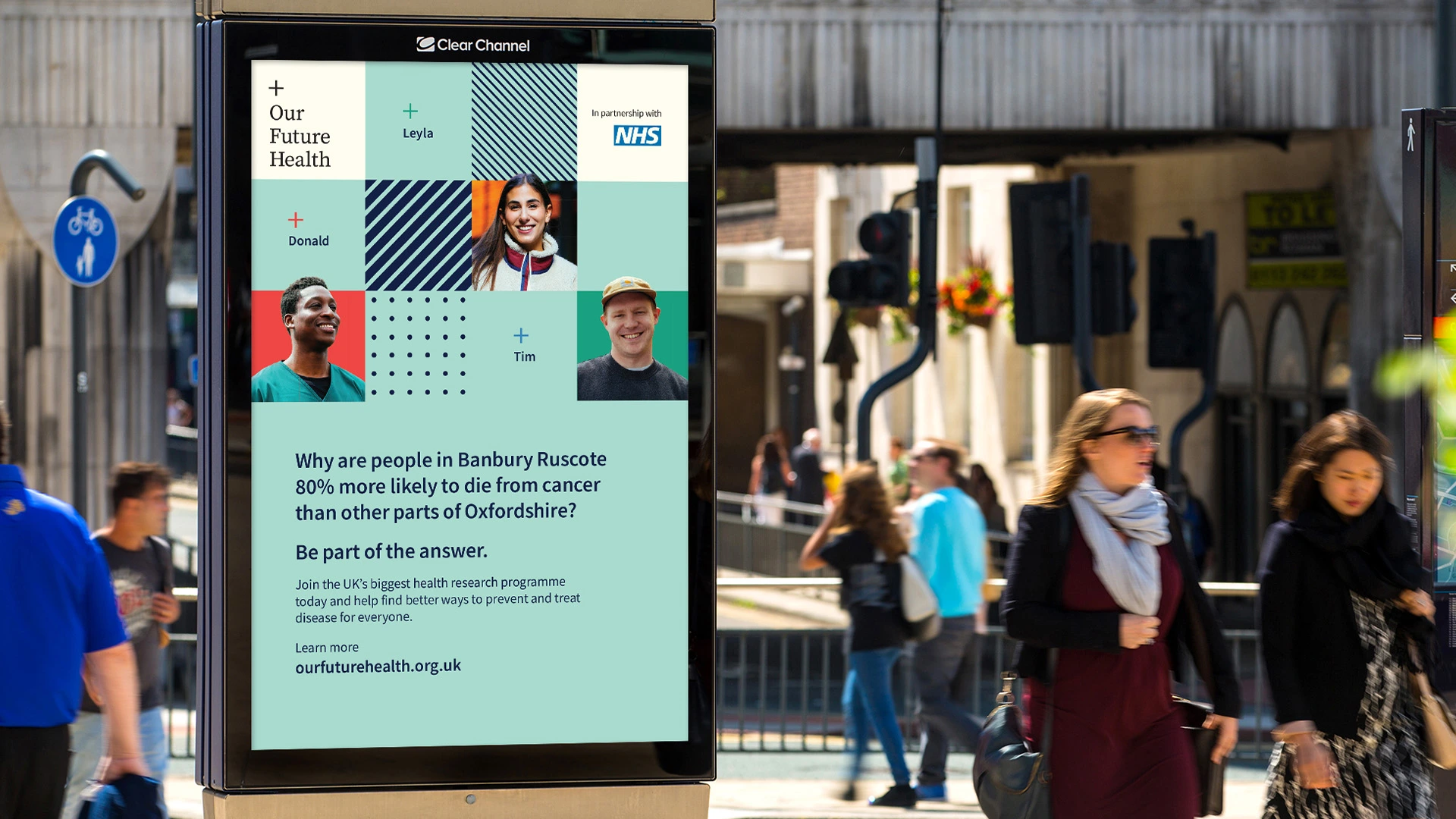
Our Future Health digital billboard on a busy city street

Audience Intelligence

The strongest campaigns aren’t designed for everyone.

We combine first-party data, market intelligence, audience research, behavioural signals and platform data to understand who matters most, what motivates them and where you have the greatest opportunity to influence them.

Our AI agents analyse larger datasets, enrich audience personas and spot patterns faster, giving our planners sharper intelligence to work with.

Data alone doesn’t make a strategy, so we use it to uncover the needs, motivations and barriers behind each audience, and shape communications around what moves them.

Understand what needs to change.

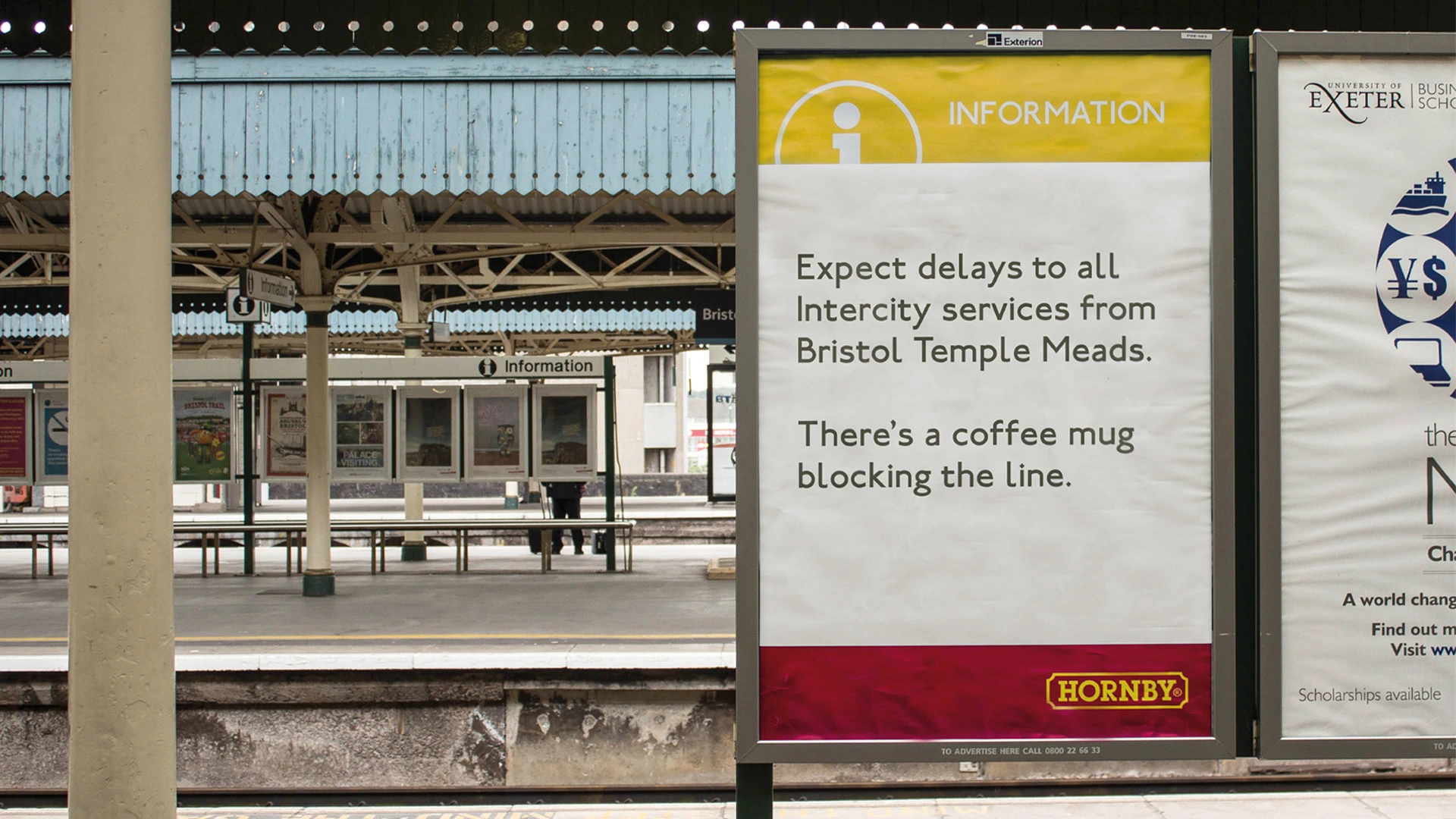
Hornby poster on a station platform joking about Bristol Temple Meads delays

Behavioural Planning

Knowing your audience is the starting point. The next step is understanding what stops them from acting.

We look at the behavioural, emotional and practical influences behind audience decisions to identify what communications can realistically change.

That could mean creating awareness, challenging a perception, building confidence, overcoming a barrier, strengthening preference or giving someone a reason to act now.

Behavioural science gives us frameworks for explaining those decisions, while audience and campaign data reveal how they play out in the real world.

Together, they point to where your communications can make the biggest difference.

Turn insight into a plan.

Camp Bestival poster of face-painted children promoting hot showers

Campaign Strategy

Campaign strategy connects what the business needs with what the audience needs to think, feel or do differently.

We define the communications challenge, audience priorities, campaign objectives, strategic proposition and the role communications play in moving people towards action.

That gives Creative and Media Planning a clear brief, with everyone working from the same understanding of the problem and the outcome.

Every part of the campaign then has a clearer job to do.

Understand the moments that matter.

Smiling woman carrying a child on her shoulders at a festival

Customer Journey

People rarely act the moment they become aware of a brand.

We map the journey your audiences take, including the decisions, influences, questions and barriers they meet along the way.

That shows us where communications can have the greatest effect, whether that’s creating awareness, changing perceptions, building consideration, prompting action or encouraging repeat behaviour.

Campaign Planning defines what needs to happen at those moments, and Media Planning determines where and how we reach people around them, so every touchpoint has a clear purpose.

Measure what the campaign is there to change.

Thames Valley Police advert on the side of a bus

Measurement Framework

Different campaigns need different definitions of success.

A campaign designed to build familiarity shouldn’t be judged on immediate conversion alone. A lead-generation campaign has to show more than reach, and behaviour-change communications need to measure whether behaviour changed.

We define the measurement framework alongside the campaign strategy, connecting communications metrics to business outcomes wherever the available data allows.

Creative, Media and Activation then share one view of success from the outset, and you get meaningful learning once the campaign is live.

Give everyone a clearer brief.

NHS 111 billboard: 'Need urgent medical help? Contact 111 first'

From Strategy to Activation.

Campaign Planning creates the strategic foundation for what happens next.

Creative turns the strategy into an idea people will notice, remember and act on. Media Planning decides where that idea needs to appear and how investment should work across the journey. Activation takes the campaign into market, measures the response and improves performance as the evidence comes back.

Each specialist team works from the same campaign strategy, so the work stays connected all the way into market.

Turn strategy into a shared source of truth.

Family relaxing together on a sofa at home

Plan for impact.

Campaigns work harder when everyone agrees what they’re trying to achieve.

AgencyUK brings commercial objectives, audience intelligence, behavioural understanding and communications strategy together before Creative, Media and Activation begin.

That way, the work starts with the change your business needs, instead of a channel, format or campaign idea.

Ready to mean more?
Let’s have a conversation.

Leave your details below and a member of the AgencyUK team will get back to you as soon as possible