
Laptop screen showing the Introducing ChatGPT page

AI for Web

Mean more by learning faster.

AI has changed how websites are built, found and used.

At AgencyUK, we use AI across the whole web lifecycle, combining human expertise with machine intelligence to understand users faster, improve search visibility, speed up development and continually optimise performance.

We also build AI into digital experiences where it creates value, helping your users find, understand and act on information faster.

Explore Web →

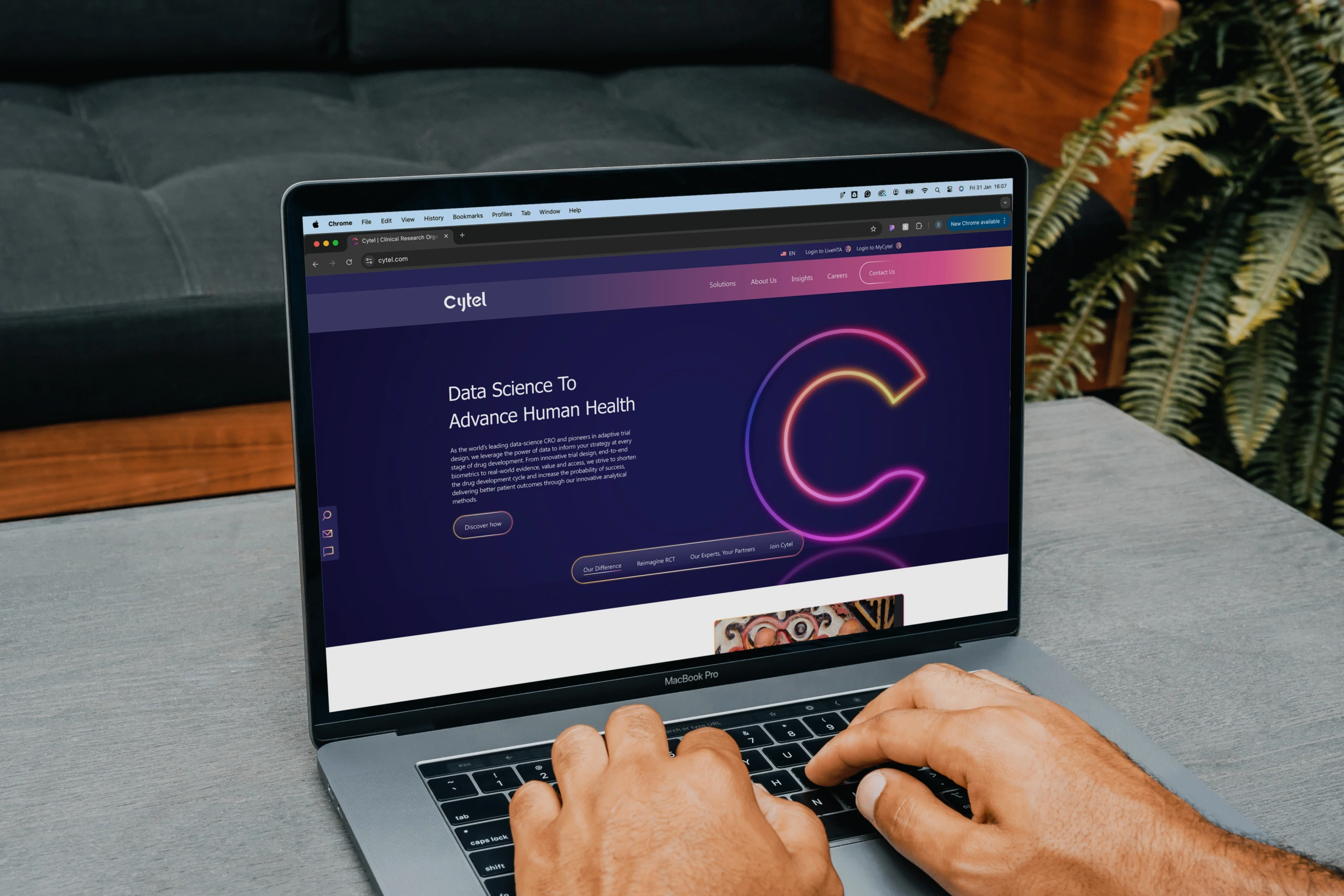
Cytel website shown on a laptop

How can AI improve your website?

People now use AI assistants to get direct answers in seconds, and they expect websites to be just as quick to help.

A site that makes them search page by page, or that AI search can’t read clearly, loses visitors to competitors that are easier to find and easier to use.

Using AI to plan, build and run your website makes it faster to improve and more useful to visitors, so it keeps pace with how people now search and decide.

Laptop showing Google search beside a cup of coffee

Better websites start with better intelligence.
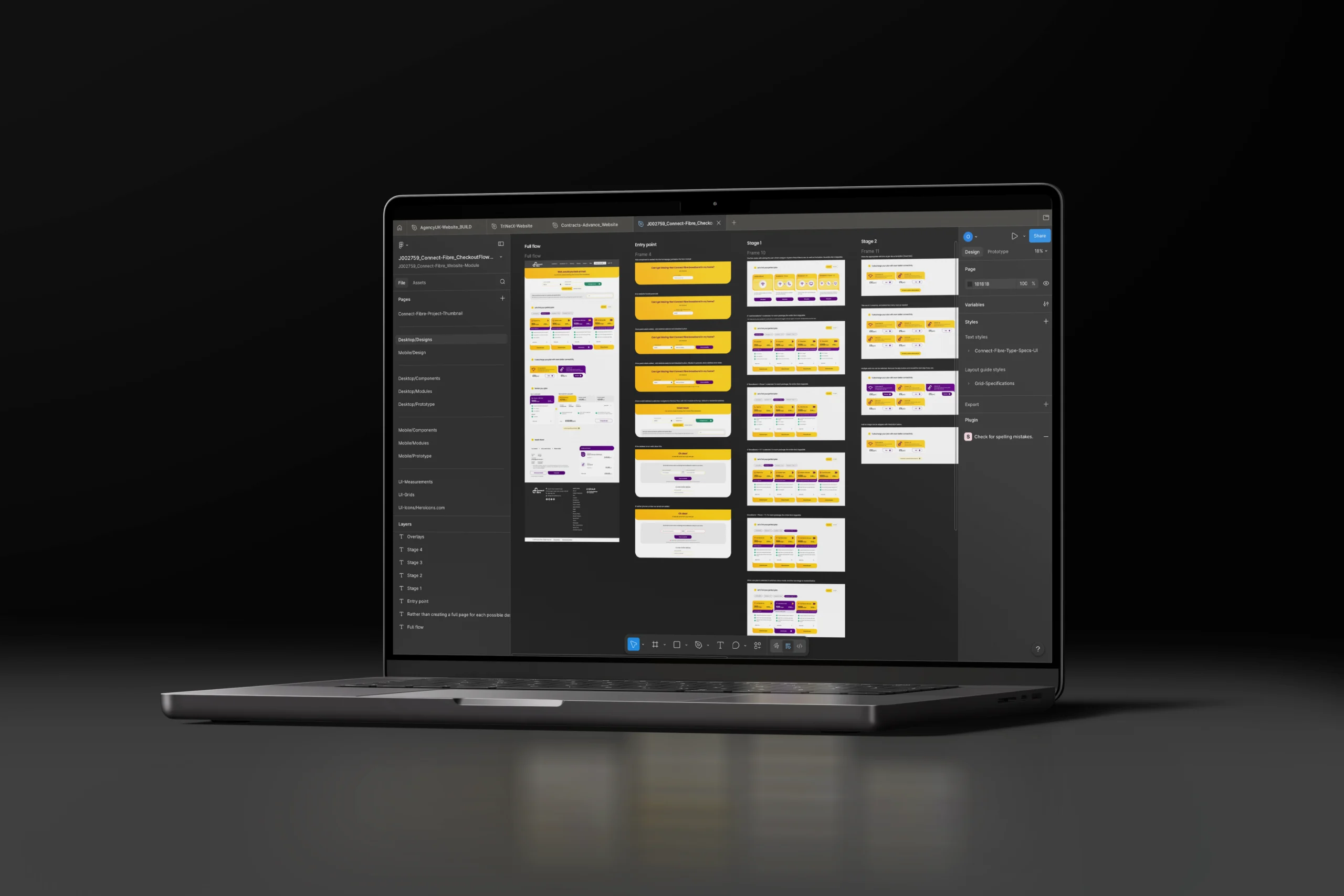
Sitemap planning board shown on a laptop

AI for Discovery

We use AI to interrogate audience, competitor, search, content and website performance data at greater scale, finding behaviours, patterns, gaps and opportunities faster.

That intelligence can then shape architecture, UX, content and functionality before any significant design or development begins, so your build starts with confidence.

Make the journey shorter.

Website shown on a laptop on a wooden table

AI for UX

AI gives us new ways to understand how people navigate, search and interact with digital experiences.

We combine behavioural data, analytics and AI-powered analysis to identify friction, understand different user journeys and make experiences simpler and more intuitive.

Where the typical journey isn’t the best one, AI can help create new routes that take users more directly to what they need, so they reach it with less effort.

Sometimes the fastest route isn’t another menu.

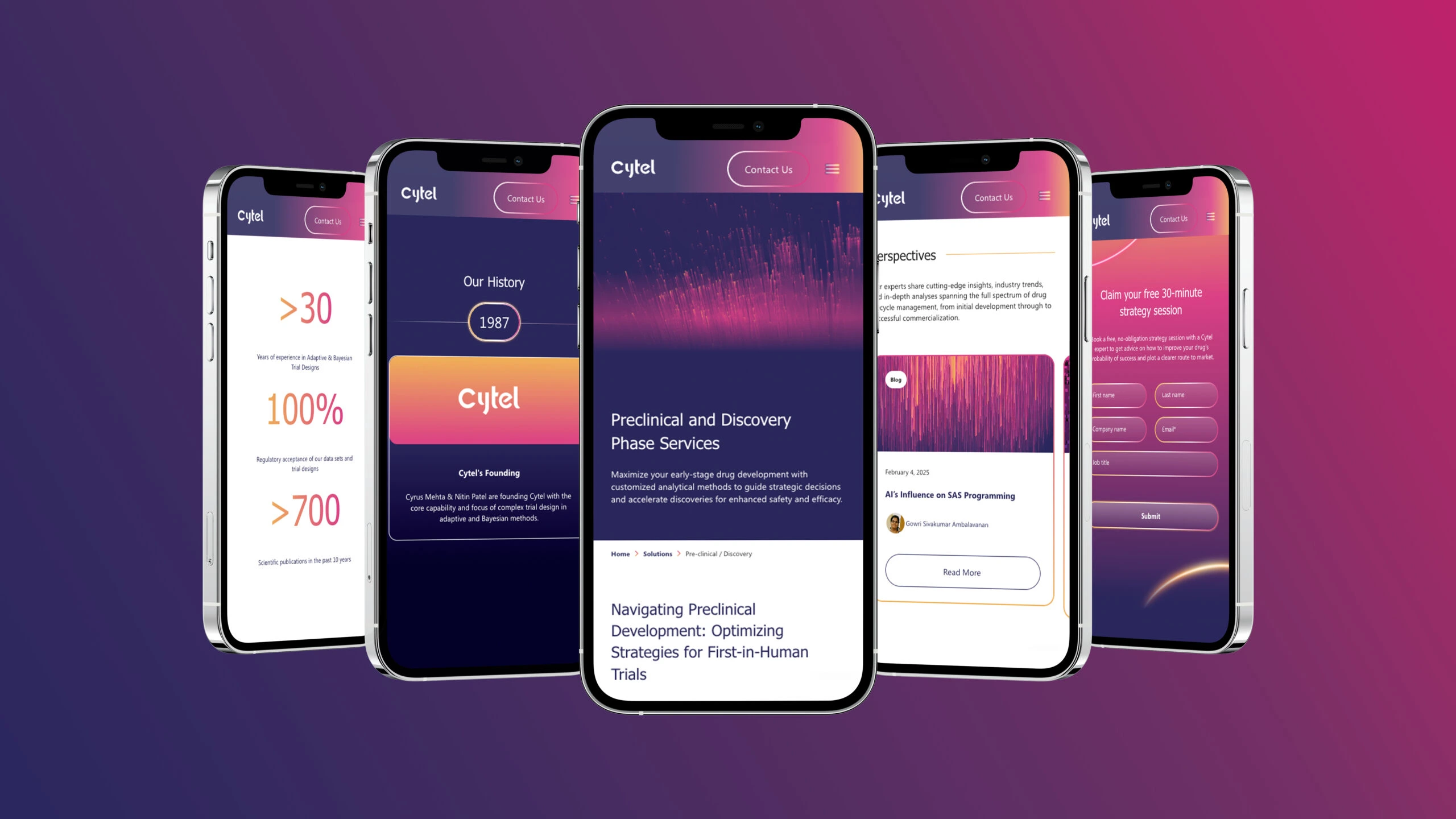
Cytel website shown on a row of smartphones

Conversational Experiences

We integrate AI-powered chatbots and conversational interfaces as intelligent secondary navigation, helping users find relevant information, understand complex products and services and move towards action faster.

For Cytel, we integrated an AI chatbot into a website containing more than 100 pages, giving users a more intuitive route through complex content. The chatbot generated 1,350 AI sessions in its first six months, as part of a new site that delivered a 464% increase in users in three months.

Be visible to both people and platforms.

Laptop showing Google search beside a cup of coffee

AI Search & Visibility

Your website now has two audiences: the people using it and the platforms interpreting it on their behalf.

We structure content, architecture and data so traditional search engines, AI search and large language models (LLMs) can find and understand your site more easily.

We monitor how brands, products, services and competitors appear across AI platforms. Our SEO and Generative Engine Optimisation (GEO) teams then strengthen the signals that influence visibility, giving you the foundations to surface when customers come searching.

Explore Generative Engine Optimisation →

Bring intelligence into the experience.

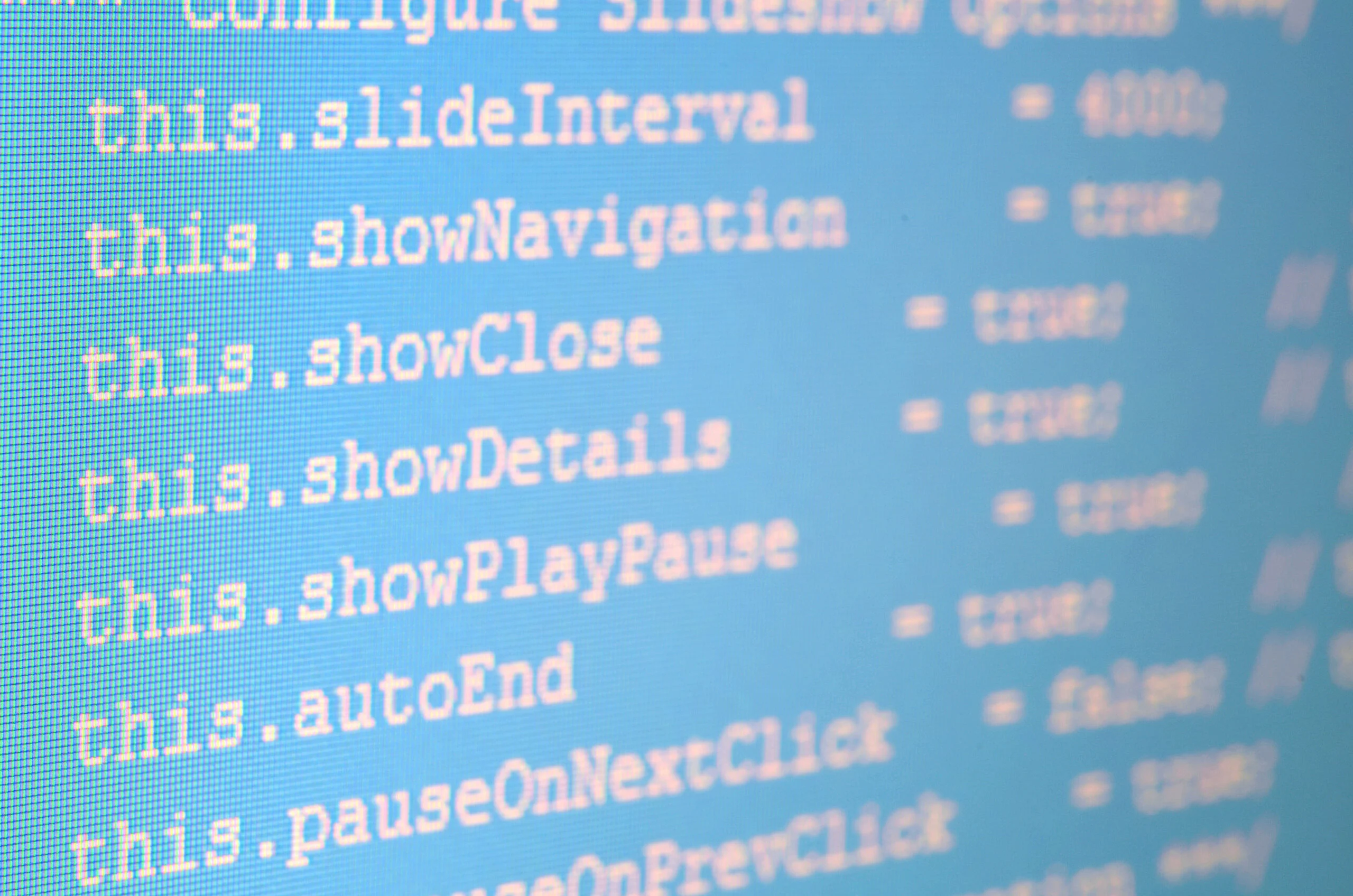
Close-up of JavaScript code on a blue screen

AI Integration

We integrate AI and LLM capabilities into websites and applications where they solve real user or business problems, including intelligent search, recommendations, content discovery, personalisation, automation and conversational experiences.

Using APIs, structured data and existing business systems, AI can connect the digital experience with the information and functions it needs to be useful to your users.

Faster builds with people in control.

Colourful lines of code on a computer screen

AI for Development

We use AI to support development, testing, troubleshooting, documentation and repetitive technical tasks, helping our teams work faster while people keep oversight of architecture, security and quality.

We also build with future AI integration in mind, creating modular, scalable platforms and structured content that can evolve as models, interfaces and user behaviours change.

Every interaction teaches us something.

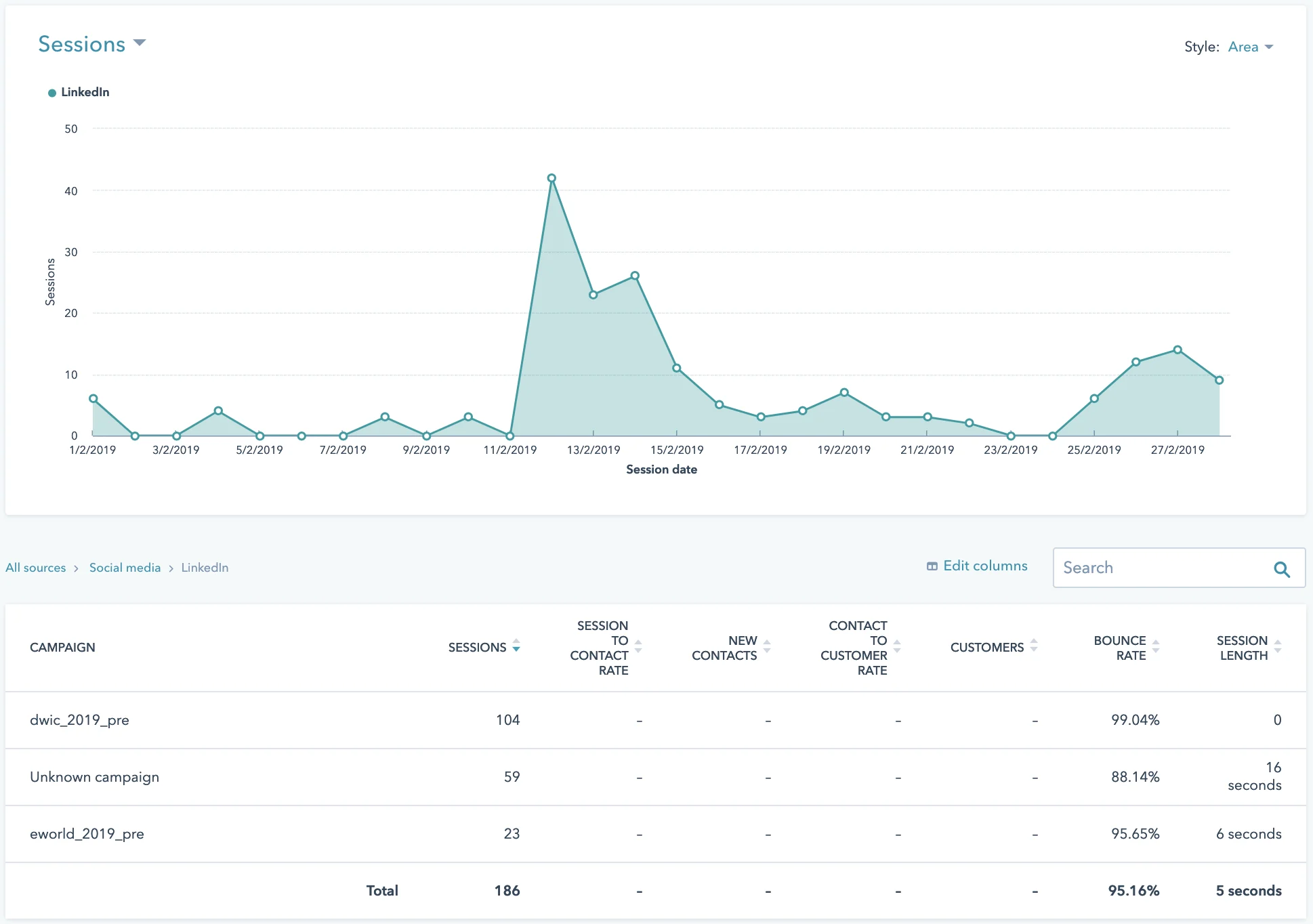
Analytics dashboard showing sessions over time

AI for Optimisation

Launch is where real user behaviour starts producing evidence.

We use AI alongside analytics, search, behavioural and conversion data to analyse performance, find patterns and surface opportunities faster.

That intelligence helps our web teams prioritise changes to journeys, content, UX, SEO and conversion, creating an ongoing cycle that improves your site month after month.

Faster answers for web teams.

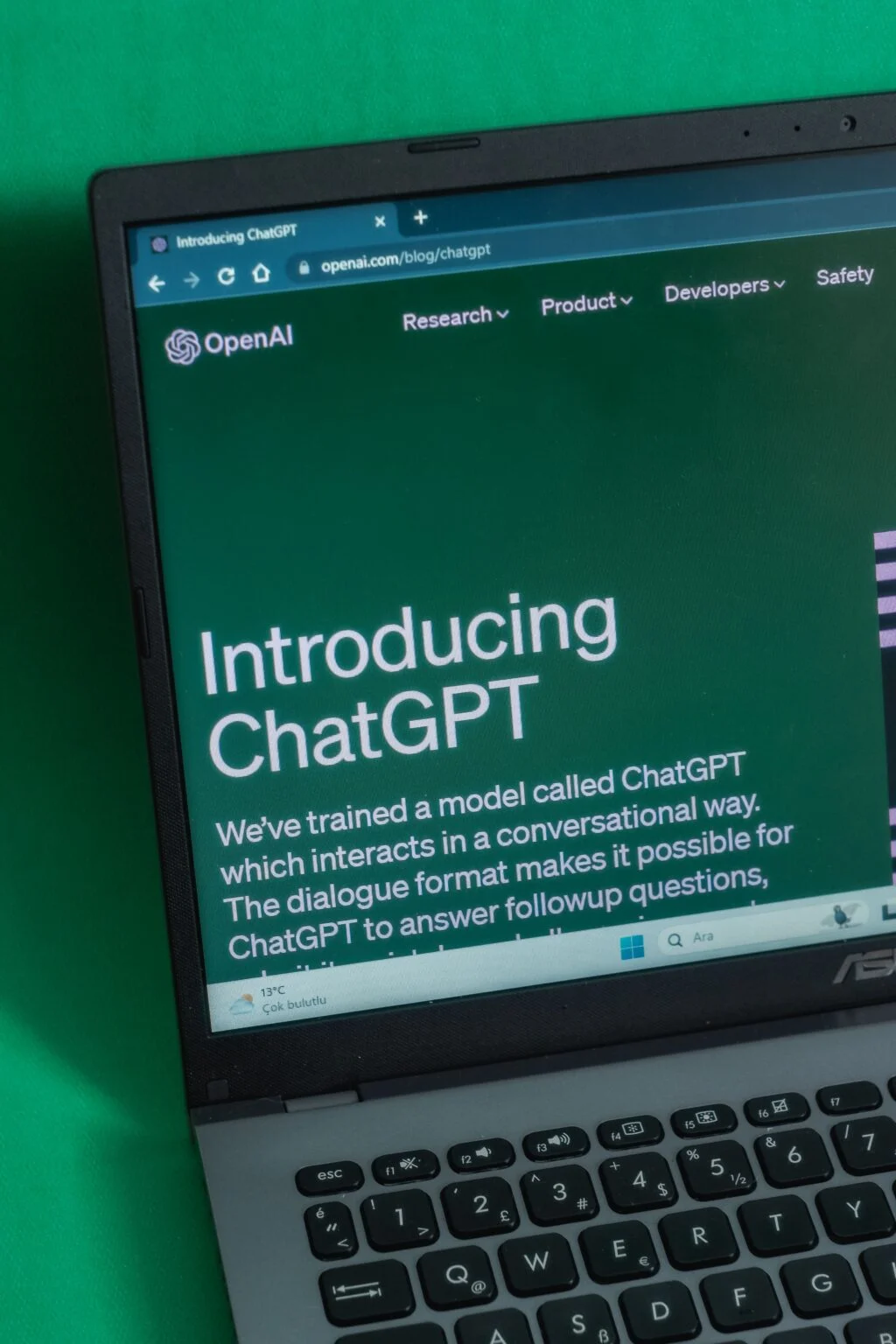
Person using a laptop showing ChatGPT

AI Agents for Web

We develop specialist AI agents around defined web tasks, from search and competitor analysis to content intelligence, performance monitoring and optimisation.

Our agents connect approved data, platforms and workflows to automate repeatable analysis and find the information our teams and clients need to act faster.

As requirements become more sophisticated, they can also connect to wider business systems and applications.

Judgement stays with people.

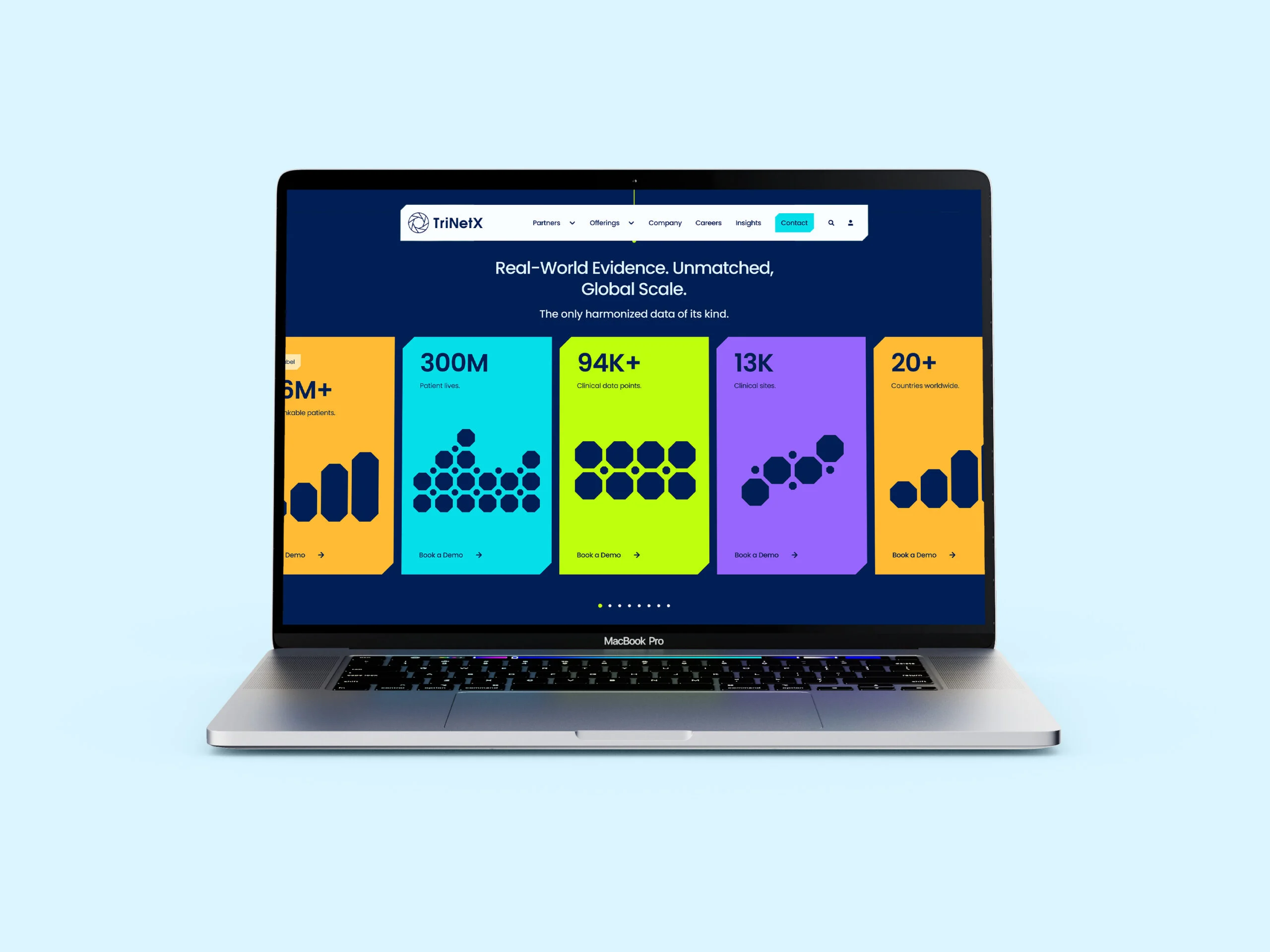
TriNetX website shown on a laptop with colourful data statistics

Human + Machine

AI can analyse more data, identify patterns faster and create entirely new ways for people to interact with digital experiences, but it can’t make decisions for us.

Better websites still depend on understanding people, solving the right problems and making good decisions about experience, technology and brand.

That’s why our people always set the direction, and AI helps us get there faster.

Frequently asked questions

Should we add an AI chatbot to our website?

An AI chatbot for your website can be valuable when it solves a genuine user need, such as answering complex questions, helping visitors find information or guiding them towards the right service.

The decision should start with the user journey, rather than the technology itself. We consider what visitors are trying to achieve, what information the AI can reliably access and where a website chatbot can improve the experience.

For Cytel, an AI-powered website experience has supported 1,350 AI sessions. The opportunity is to make useful information easier to access, not add a chatbot simply because AI makes it possible.

Can AI personalise our website for different visitors?

Yes. AI can support website personalisation by using relevant data and behavioural signals to adapt content, recommendations or journeys for different visitors.

The right approach depends on what you know about your audiences, the data available and where personalisation would improve their experience. More website personalisation isn’t automatically better.

We identify where different users have meaningfully different needs, then use technology to make the experience more relevant while considering data privacy and appropriate controls. The objective is a website that responds intelligently to its users, without making the experience unnecessarily complicated.

Do you use AI to build websites faster?

Yes. We use AI within website development where it can accelerate useful parts of the process, from supporting code development and testing to analysis and repetitive technical tasks.

That doesn’t mean handing your project to an AI website builder. Our developers remain responsible for the architecture, code quality, integrations, security and overall technical decisions.

Used well, AI gives experienced developers better tools and more time to focus on the problems that require their expertise. Building faster is useful, but only when the result is reliable, maintainable and right for the people who need to use it.

How do you make sure AI features actually help users?

We treat AI integration as a user experience decision first, and a technical feature second.

We start with the problem users are trying to solve and establish whether AI offers a better way to solve it. From there, we design the experience, define what information the AI can use and test how people interact with it.

Once live, performance and user behaviour can help us understand whether the feature is useful and where it needs improvement.

AI should earn its place on a website. If a simpler experience solves the problem better, that’s the experience we should build.

Ready to mean more?
Let’s have a conversation.

Leave your details below and a member of the AgencyUK team will get back to you as soon as possible