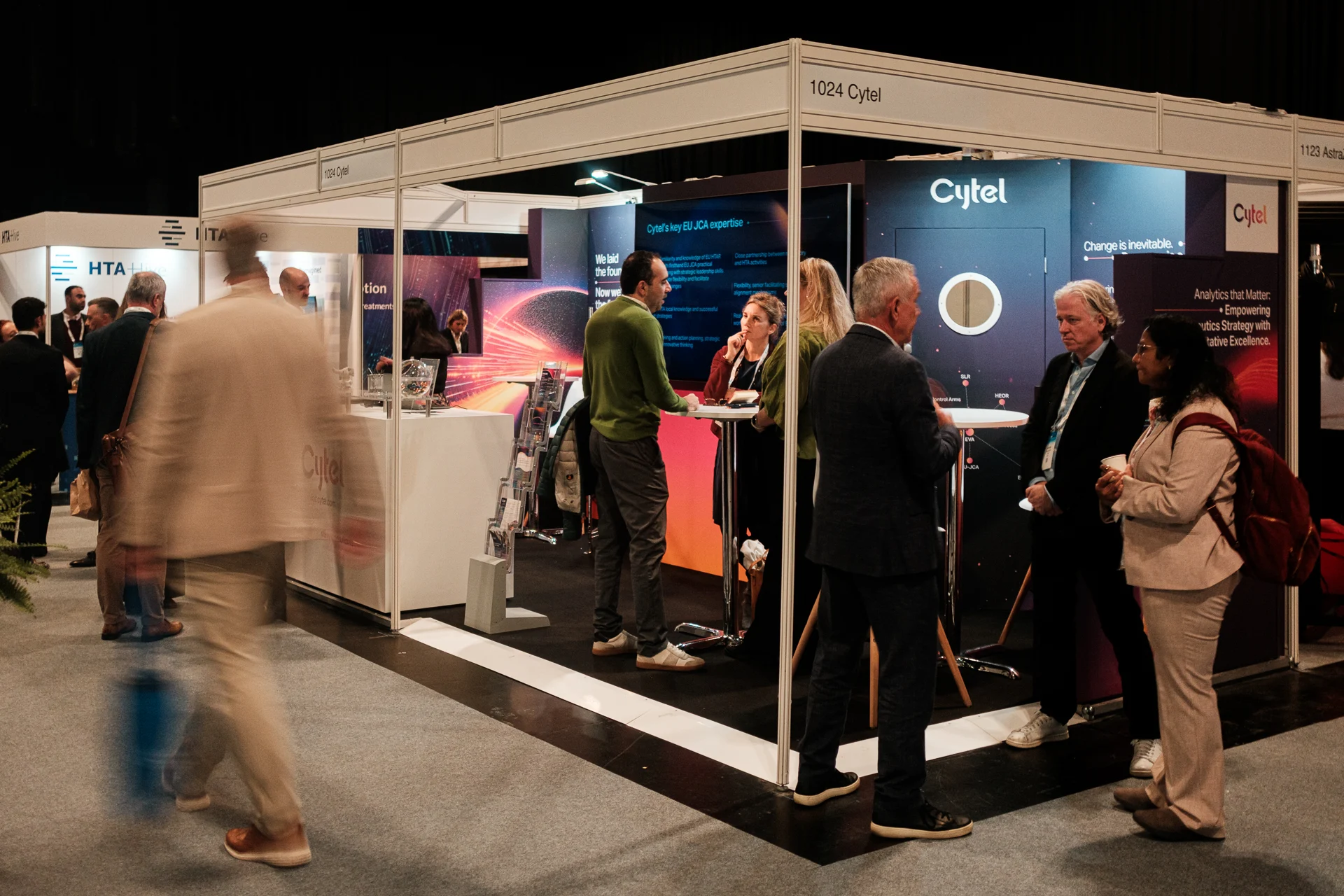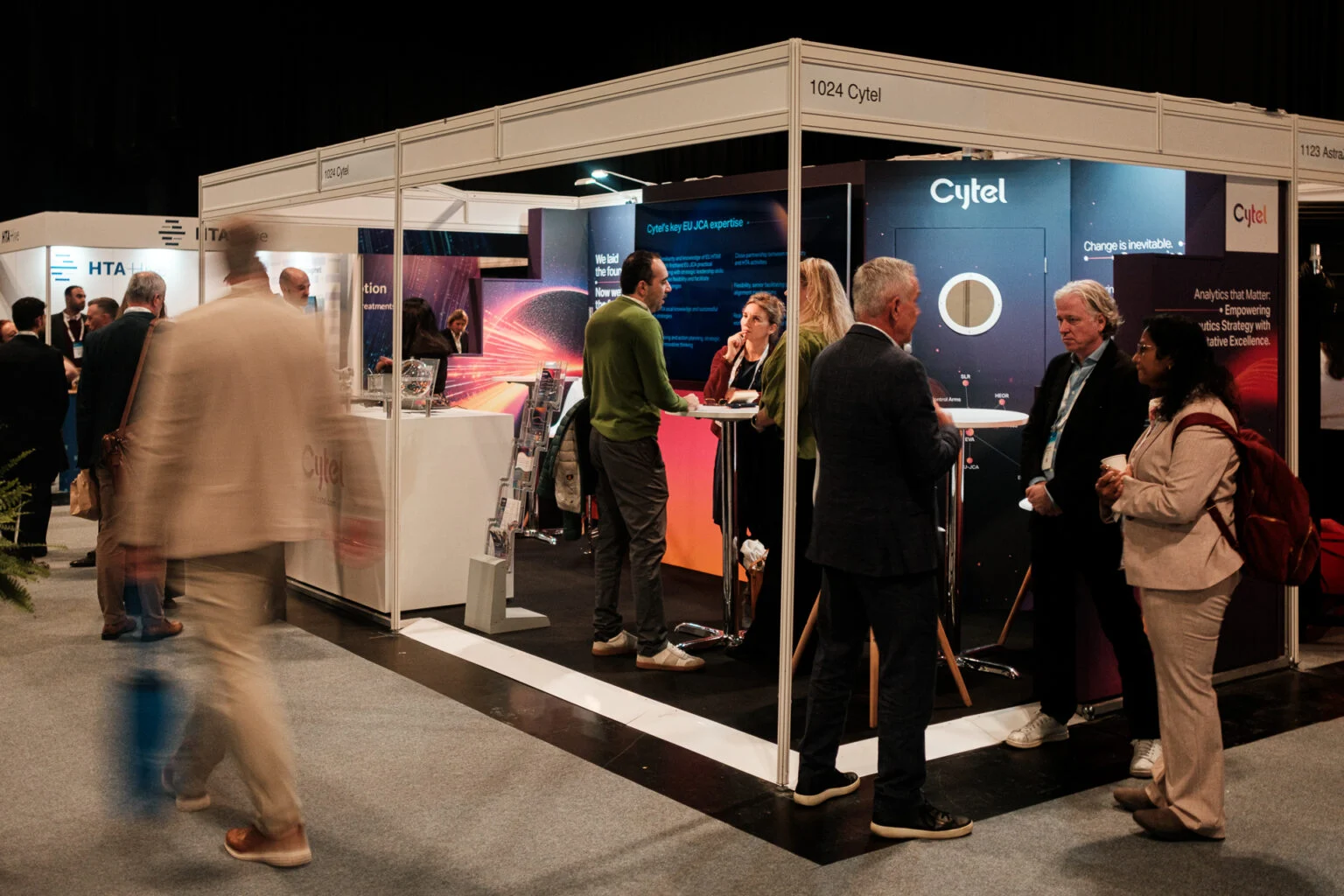

Visitors at the Cytel exhibition stand at a conference

Brand Experience

Mean more through meaningful difference.

One brand at
every touchpoint.

A brand is what people experience.

We bring strategy and identity to life wherever your audiences encounter you, creating connected experiences that look, sound and feel unmistakably yours.

That includes websites and workplaces, packaging and pitch decks, exhibitions and apps, so every interaction builds the same brand.

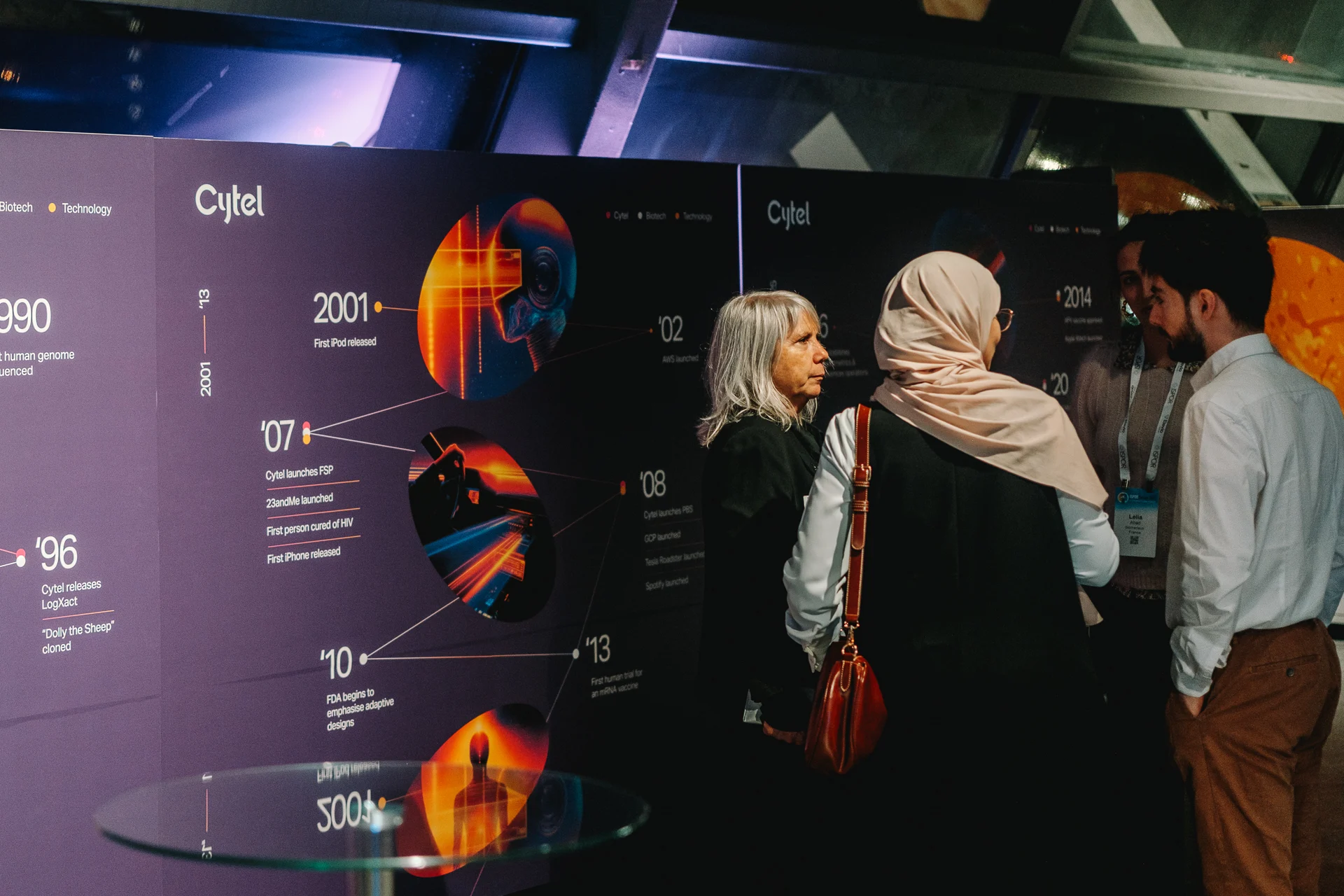
Visitors viewing a Cytel timeline display at an event

Why is brand experience important for your business?

Your brand strategy and identity only create value when people experience them.

Customers, employees and partners judge you on what they see, use and hear, and every inconsistent experience makes your brand harder to recognise and easier to ignore.

Brand experience makes your brand consistent and distinctive wherever people meet it, building the recognition and trust that make them more likely to choose you and come back.

Office reception desk with a large branded company values wall graphic

Every click counts.

Digital

Digital is often where people first discover, experience and use your brand, so it needs to work smoothly and feel like you.

Bringing together our brand, communications, web and tech teams, we turn your identity into connected digital experiences through UX, UI, content, interaction and motion.

From websites and apps to platforms and digital products, we create experiences that are easy to use, hard to forget and built to perform.

Bring your brand into the physical world.

Visitors viewing Cytel artwork displays at an event

Physical

Brands exist beyond the screen. We create spaces and experiences people can see, feel and remember.

Across workplaces, retail, signage, wayfinding and branded environments, we make every space work harder, building recognition and reinforcing what makes your brand different.

Get picked up.

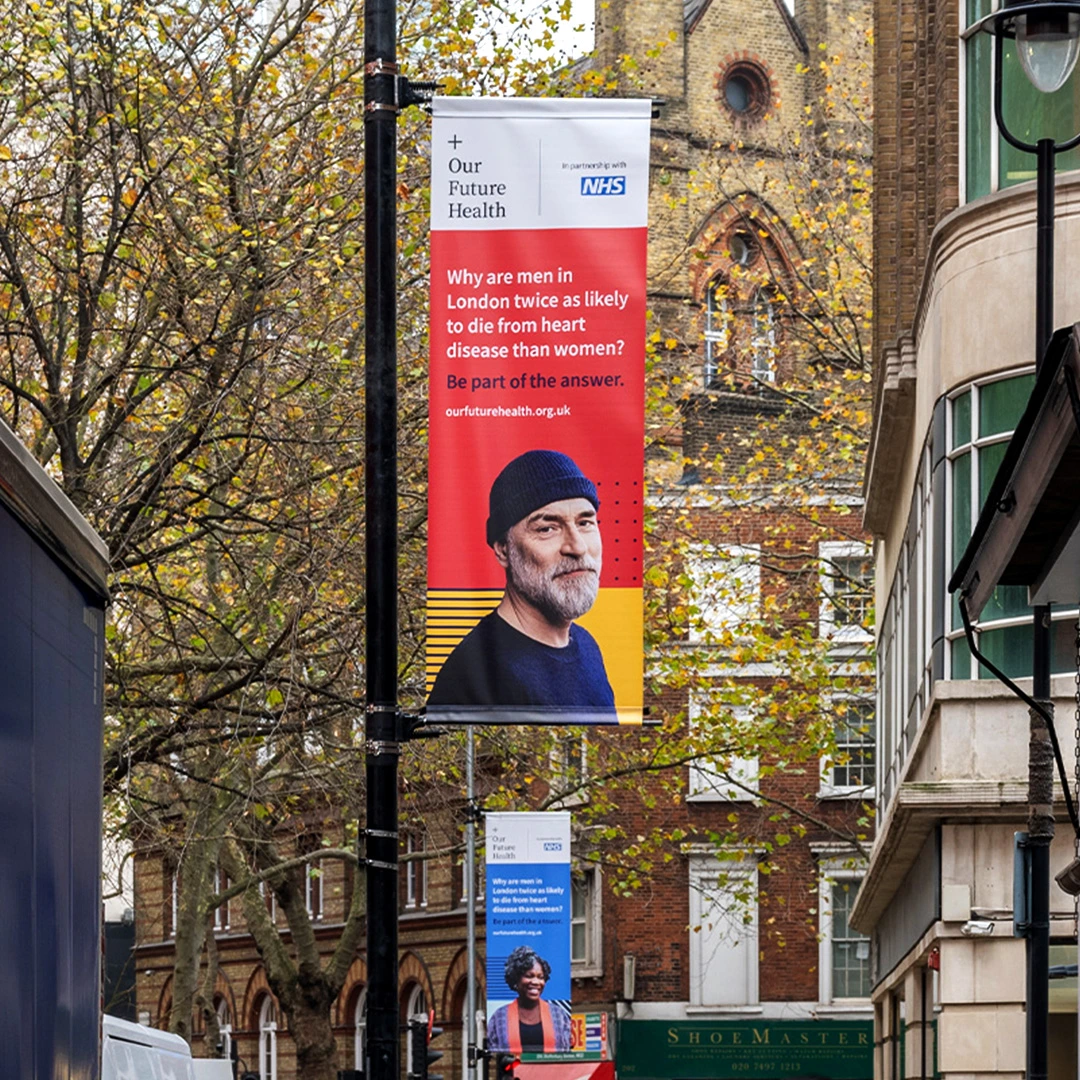
Our Future Health lamppost banner on a city street

Product

Putting your brand in someone’s hands creates a different kind of connection.

We create packaging, merchandise and branded products that turn identity into something people want to touch, use, keep and share.

Stand-out design on shelf and on screen builds recognition, and products people are glad to own keep your brand close long after the first purchase.

Show up and stand out.

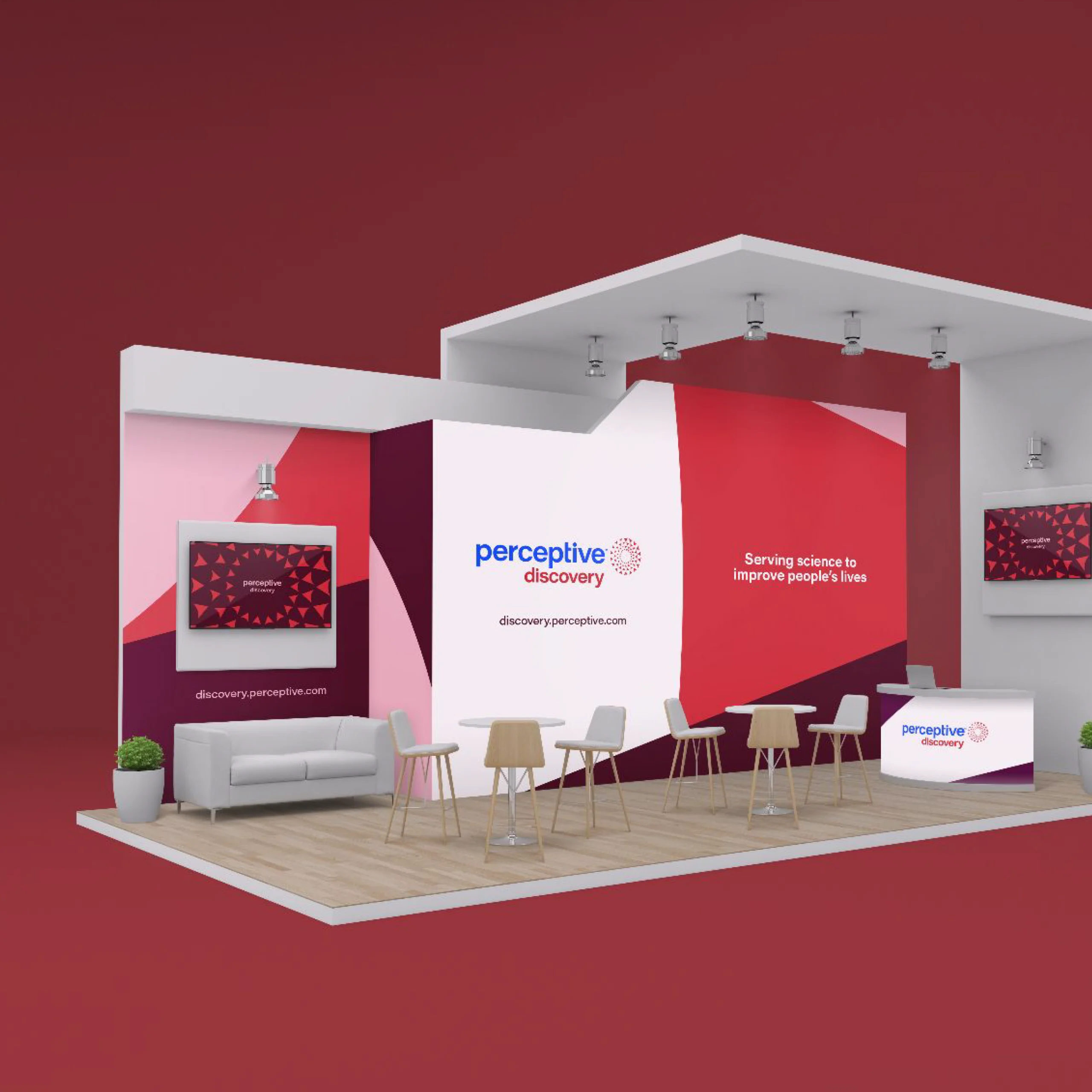
Perceptive Discovery exhibition stand design in red and white

Live

Being there is only the start.

We create live brand experiences that attract attention, encourage interaction and get remembered, including exhibitions, conferences, launches, activations and large-scale consumer events.

Creative concepts, environments, content, technology and collateral work together to create experiences people want to be part of.

Make everything matter.

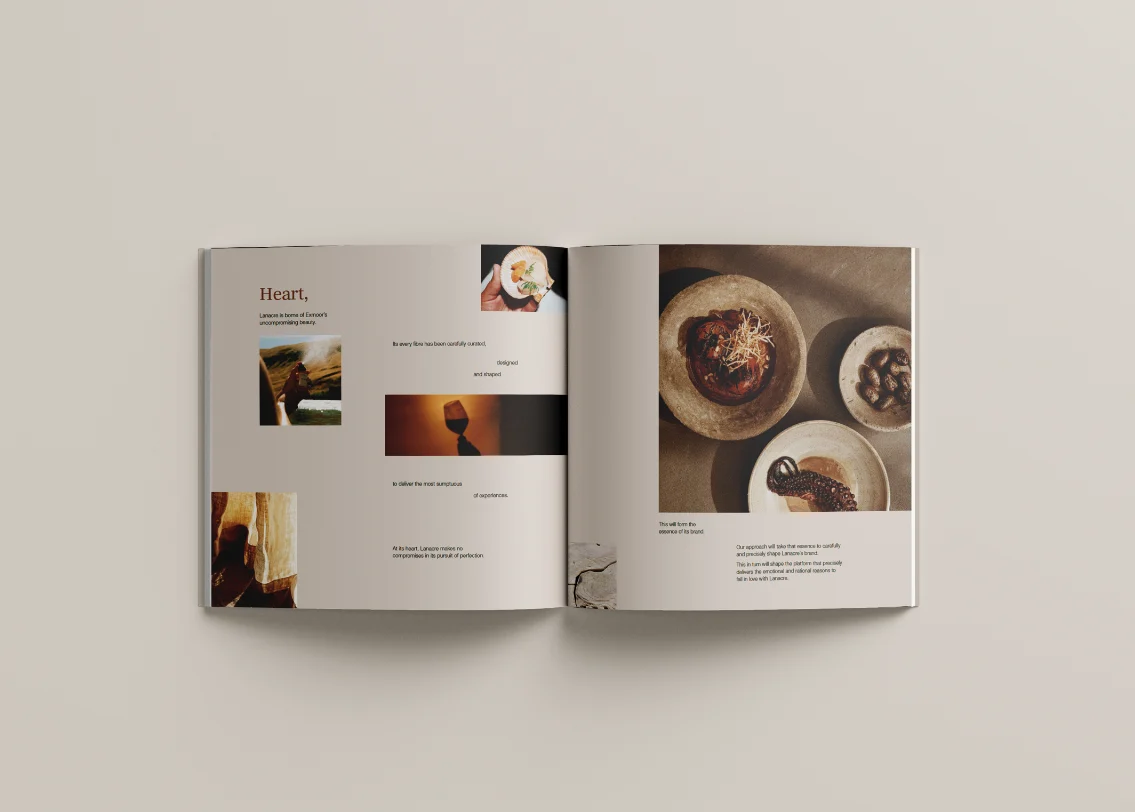
Open brochure spread mock-up featuring food photography

Content

Every piece of content is an expression of your brand.

We create film, photography, presentations, reports, literature and day-to-day brand assets that turn your identity into a consistent and distinctive visual and verbal experience. Whether it’s a major campaign film or a weekly sales deck, if your name is on it, it should feel like you.

Start from the inside.

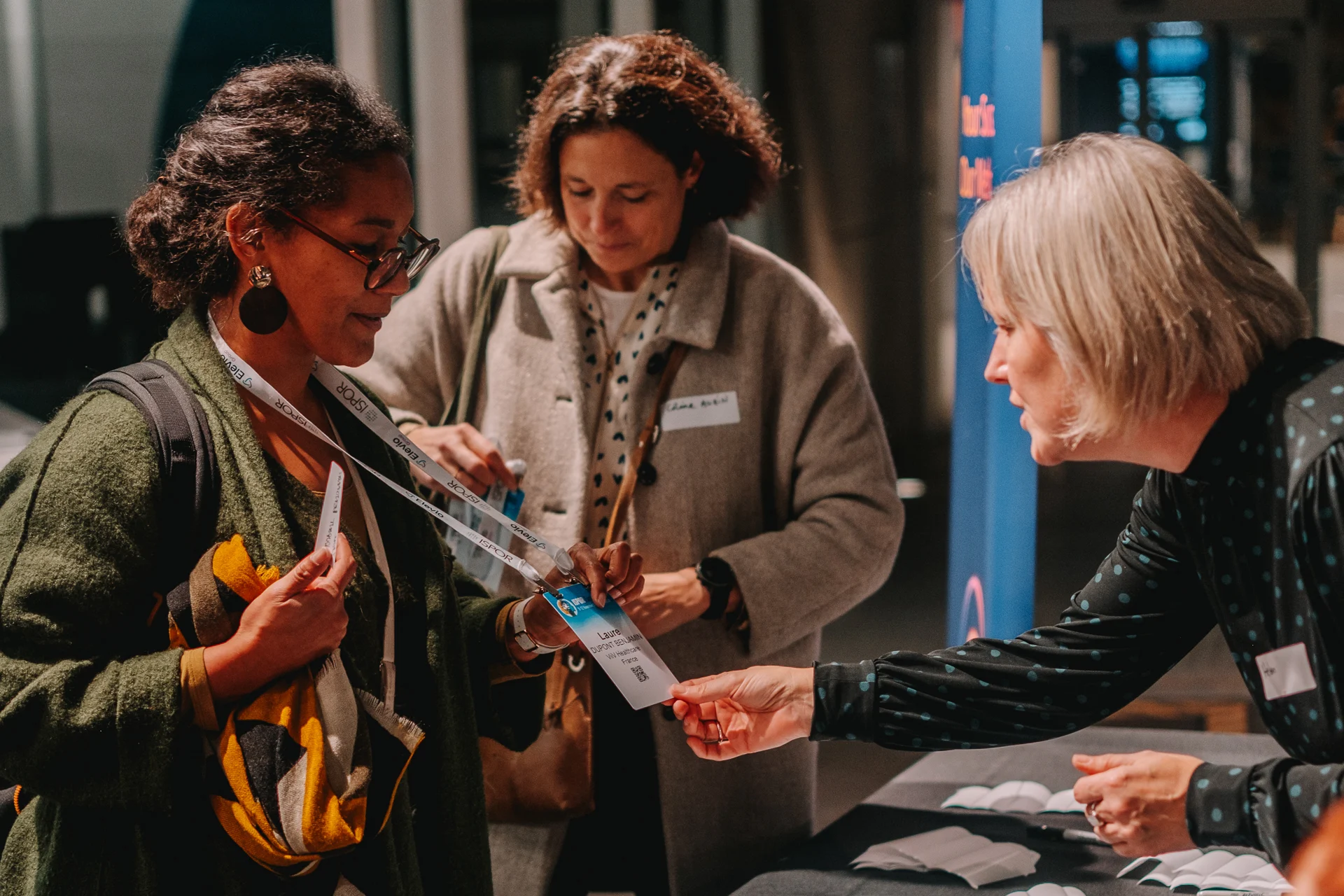
Women chatting at a conference registration desk

Internal

Your people experience your brand before your customers do.

We bring strategy and identity into the organisation through internal brand launches, employee communications, environments, toolkits and experiences that help people see what the brand means and how to bring it to life.

When your people understand the brand, your customers feel the difference.

Making it easier to choose you.

Visitors at the Cytel exhibition stand at a conference

Sales Support

Your brand has to work as hard at the point of sale as it does anywhere else.

We create pitch decks, proposals, demonstrations, product materials and digital sales tools that turn your proposition into a clear and persuasive story.

That gives buyers a clearer view of your value and more reasons to say yes.

Office reception desk with a large branded company values wall graphic

Every experience adds up.

Digital, physical, product, live, content, internal and sales experiences all shape how people see your brand.

Across every audience, environment and moment, we keep your meaningful difference intact, so every one of them builds recognition, preference and value.

Frequently asked questions

What counts as a brand touchpoint?

A brand touchpoint is any place where someone encounters or interacts with your brand.

That can include your website, presentations, sales materials, templates, packaging, social content, events and other physical or digital experiences. Each touchpoint contributes to how people recognise and understand the brand, whether it’s a major customer interaction or something they only see briefly.

Brand experience considers how those individual moments work together. The aim is to translate your identity into practical applications that feel connected and distinctive, giving customers a consistent experience wherever they encounter you.

What is the difference between brand identity and brand experience?

Brand identity defines how your brand looks, sounds and expresses itself. Brand experience is how that identity comes to life across the different places people encounter it.

Your identity provides the visual and verbal system, including elements such as typography, colour, imagery and tone of voice. Brand experience applies that system to real touchpoints, from websites and presentations to packaging and events.

The two should work together. A distinctive identity gives you the ingredients. Brand experience makes sure they are used effectively, consistently and appropriately wherever the brand needs to show up.

How do you keep a brand consistent across every touchpoint?

Brand consistency comes from having a clear system and making it practical enough for people to use.

We translate the identity into the templates, assets, guidance and applications teams need across relevant brand touchpoints. That creates clear principles for how the brand should behave while allowing enough flexibility for different formats, audiences and situations.

Quality control also matters. We can help teams and partners apply the brand effectively and identify where execution is beginning to drift.

Consistency doesn’t mean making every touchpoint identical. It means creating enough coherence that each experience feels recognisably part of the same brand.

How do you measure brand experience?

We measure brand experience against what each touchpoint is intended to achieve and the wider objectives of the brand.

Relevant KPIs might include engagement, customer feedback, brand perception, recognition, conversion or other behavioural and commercial measures. The right metrics depend on the experience, audience and role it plays in the customer journey.

Measurement can also reveal inconsistencies or points of friction between touchpoints. That gives us evidence to improve the experience over time.

The objective isn’t consistency for its own sake. It’s to create brand experiences that help people recognise, understand and choose you.

How do you use AI to deliver brand experience?

We use AI where it can help teams deliver brand experiences more efficiently and consistently, particularly across production, adaptation and repeatable tasks.

That might include helping create variations of approved assets, adapting content for different formats or supporting teams working across a growing number of brand touchpoints. Clear brand systems and human oversight remain essential to the process.

Our principle is AI for production, humans for creative. AI can help increase the speed and scale of delivery. People remain responsible for the ideas, judgement and quality that make the experience distinctive in the first place.

Ready to mean more?
Let’s have a conversation.

Leave your details below and a member of the AgencyUK team will get back to you as soon as possible

"*" indicates required fields

This field is for validation purposes and should be left unchanged.